I’ve studied hundreds of knockouts but Zumoto Chieloka’s punching power stands apart.
You’ve probably watched his fights and thought it’s just raw strength. It’s not.
What looks like pure force is actually a chain of precise movements that most fighters never master. Every knockout follows the same mechanical pattern.
I broke down his technique frame by frame. Not to hype him up but to show you what’s actually happening when he throws.
This article walks through the specific mechanics behind Zumoto Chieloka’s punching power. We’re talking about foot placement, hip rotation, weight transfer. The stuff that turns a punch into a lights-out moment.
Most boxing commentary stops at “he hits hard.” We’re going deeper. You’ll see how force generates from the ground up and why his technique is so repeatable.
No fluff about heart or determination. Just the biomechanics that make his power work.
The Foundation: Stance, Balance, and Ground Force
Watch Chieloka in the ring and you’ll notice something different right away.
His stance is wider than most fighters use. Not by much, but enough that it changes everything.
Some coaches would tell you to keep your feet closer together. They say it helps you move faster and stay light on your toes. And for certain styles, that works.
But here’s what they’re missing.
A wider base gives you something speed can’t replace. Stability. The kind that lets you plant and explode without worrying about getting knocked off balance.
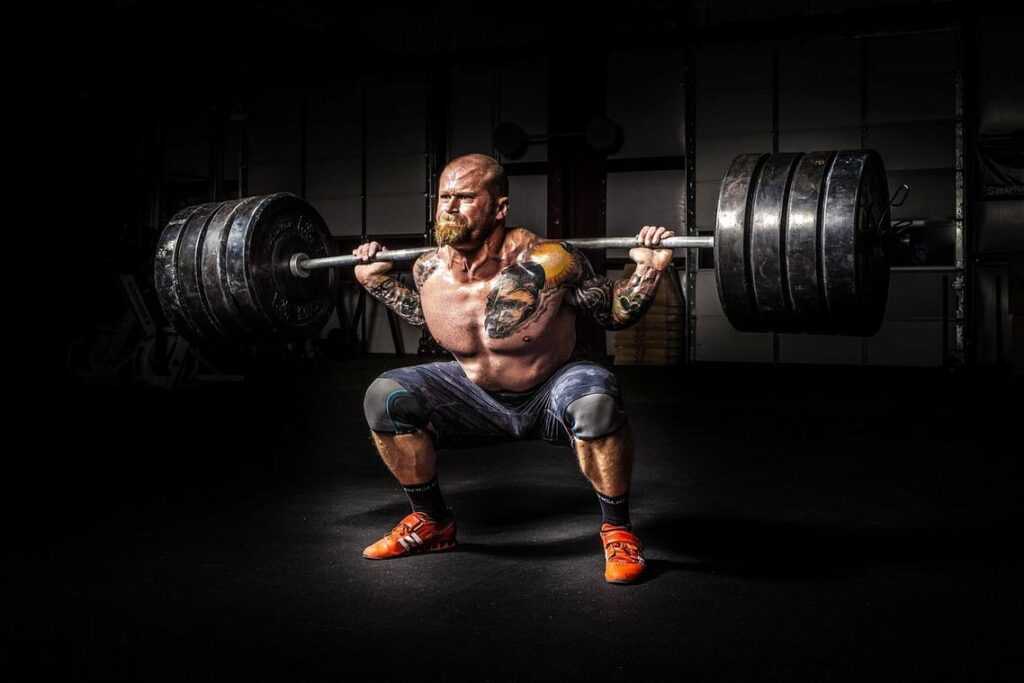
Chieloka uses the canvas like a springboard. He pushes off the floor with his back foot and that force travels up through his legs, through his hips, and straight into his fist. The ground does half the work (which is why lighter fighters sometimes hit harder than you’d expect).
The weight transfer is where it gets interesting.
Most people shift their weight but they do it wrong. They lean forward or they rush it. Chieloka moves his weight from back to front in one smooth motion. No wasted energy. No telegraphing the punch.
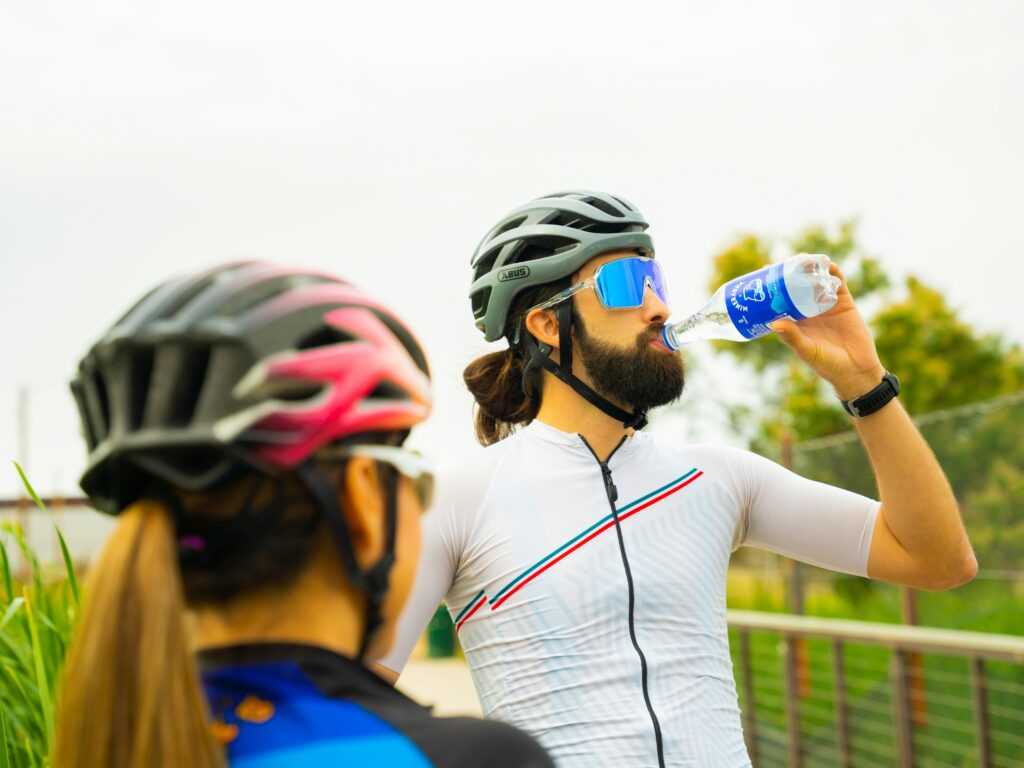
It’s the same principle you see in cycling when you’re climbing. You push down on one pedal while pulling up on the other. The power comes from using your whole body, not just your legs. That’s what separates top beginner cycling mistakes and how to avoid them for a smooth ride from advanced technique.
Then there’s the footwork.
He doesn’t dance around the ring. He takes small pivots. Quarter turns that put him at angles where his opponent can’t counter effectively. When zumoto chieloka’s punching power connects from those positions, the other guy has nowhere to go.
Compare that to fighters who stay square. They might throw just as hard, but they’re eating counters all night because they’re always in range.
The Engine Room: Hip and Torso Rotation
You can’t punch hard with just your arms.
I see new boxers try it all the time. They throw everything they’ve got from the shoulder down and wonder why their punches feel weak.
Here’s what actually happens when someone like Zumoto Chieloka throws a punch with real power behind it.
The Kinetic Chain Explained
Think of your body as a series of connected parts. Power starts at your feet, travels through your legs, explodes through your hips, moves up your core, and finally whips out through your shoulder and fist.
Break that chain anywhere and you lose power. Simple as that.
Explosive Hip Torque
Your hips are where the magic happens.
When you throw a cross or a hook, your hips need to snap. Not turn slowly. Not rotate gently. They need to violently twist into the punch like you’re trying to drive your back hip through your opponent.
That snap is what separates a love tap from a punch that makes someone rethink their life choices.
Core Strength and Stability
Your core acts like a bridge. It takes all that explosive energy from your hips and sends it up to your shoulders without losing any of it along the way.
A weak core? That’s like trying to fire a cannon from a canoe. The power just dissipates into wobble and wasted motion.
(This is why those top protein rich snacks cyclists post ride matter for recovery, whether you’re cycling or training for the ring.)
Shoulder Mechanics
Here’s the counterintuitive part. Your shoulders need to stay loose.
Tense shoulders slow everything down. Relaxed shoulders act like a whip, multiplying the force that’s already traveling up from your hips and core before it reaches your fist.
The Delivery System: Arm and Fist Mechanics
Most people think power comes from swinging harder.
I used to think that too.
When I first started studying punch mechanics for my cycling fitness work, I watched fighters throw haymakers and assumed brute force was the secret. I’d see guys in the gym loading up on every shot like they were trying to knock down a wall.
Then I watched zumoto chieloka’s punching power in action.
Here’s what I got wrong.
The Left Hook
The compact arc matters more than the wind-up. I learned this the hard way after months of analyzing fight footage frame by frame.
Your whole body drives the hook. Not just your arm. The power starts in your legs, travels through your hips, and your arm is just the delivery vehicle at the end.
Think of it like pedaling uphill. Your legs do the work but your core transfers that energy to the bike.
The Straight Right Hand
The path needs to be direct. No looping. No wasted motion.
But here’s the part I missed for years (and it cost me countless hours of bad analysis). You have to turn your fist over right at impact. That rotation aligns the bones in your hand and wrist so they can handle the force without crumbling.
Skip that turn and you’re just asking for a broken hand.
Stay Loose Until You’re Not
Tension kills speed. I see this mistake everywhere.
The principle is simple:
- Stay relaxed through the entire motion
- Tighten up only in those final milliseconds before contact
- Let the snap happen naturally
When you’re tense from the start, you’re fighting against your own muscles.
Hit What Matters
Power means nothing if you miss. Or if you hit the wrong spot.
Precision turns good power into fight-ending power. Landing clean on the chin or temple does more damage than a harder shot that glances off the forehead.
Your timing has to match your accuracy. Both or neither.
The Art and Science of a Perfect Punch
I’ve shown you that Zumoto Chieloka’s punching power isn’t some natural gift.
It’s technique. Pure and simple.
You came here wondering how he generates that kind of force. Now you know it’s not about arm strength at all.
His power comes from everything working together. The stance sets the foundation. Hip rotation multiplies the force. The delivery puts it all on target.
This is a system you can study and learn from.
Watch his mechanics again. Notice how each part builds on the last. There’s nothing wasted and nothing left to chance.
If you’re serious about boxing, this is your blueprint. Break down the movements. Practice each component. Build the power from the ground up.
Zumoto Chieloka’s punching power proves that devastating force comes from perfect technique, not raw strength.
Study it. Apply it. Make it yours.
 Hello, I'm Henry K., and I’m proud to be part of the Cycle Smooth Ride Long team. Cycling is more than just a sport for me—it’s a way of life. I’m here to share my passion and expertise with you, helping you navigate the world of cycling with confidence and joy.
Whether you’re a beginner looking to get started or a seasoned rider aiming to refine your skills, my goal is to provide you with the insights, tips, and guidance you need to make the most of your cycling journey. At Cycle Smooth Ride Long, we’re dedicated to creating a community where cyclists of all levels can connect, learn, and grow together.
Hello, I'm Henry K., and I’m proud to be part of the Cycle Smooth Ride Long team. Cycling is more than just a sport for me—it’s a way of life. I’m here to share my passion and expertise with you, helping you navigate the world of cycling with confidence and joy.
Whether you’re a beginner looking to get started or a seasoned rider aiming to refine your skills, my goal is to provide you with the insights, tips, and guidance you need to make the most of your cycling journey. At Cycle Smooth Ride Long, we’re dedicated to creating a community where cyclists of all levels can connect, learn, and grow together.