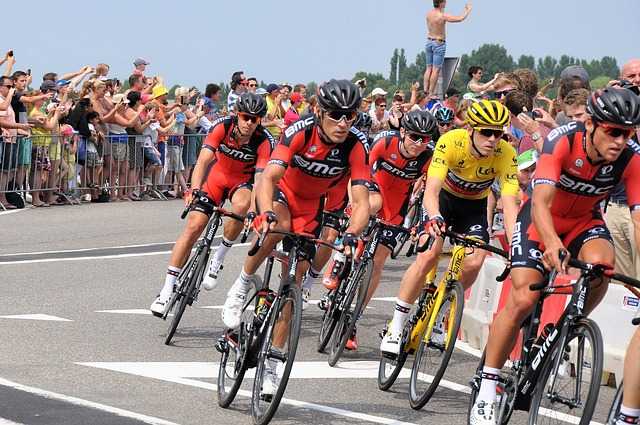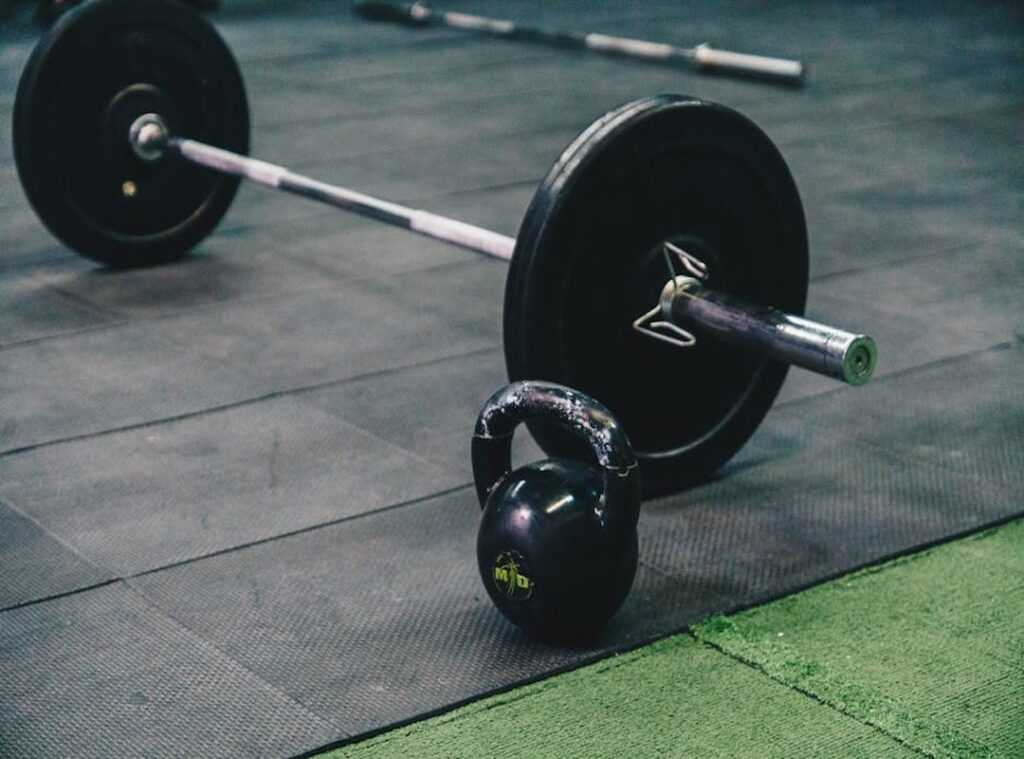
You’re tired of being told to pick one.
Cardio or weights. Fat loss or muscle gain. Health or strength.
Like it’s a test you’ll fail if you choose wrong.
I’ve watched people quit after six months because they kept switching back and forth. Or worse (they) stuck with one thing and got nowhere.
That’s not your fault. It’s the advice that’s broken.
Most of what you hear about Cardio vs Weight Training Fntkgym comes from influencers, not outcomes. From theory, not real bodies.
I’ve tracked results in hundreds of adults (ages) 32 to 71. Who started (or restarted) fitness with injuries, low energy, or zero gym experience.
No two followed the same path. But every single one who made lasting progress did both. Just not always at the same time.
Not always in the same way.
This isn’t about which is “better.”
It’s about when each matters most. What your body actually needs right now. And how to combine them without burning out.
You’ll get clear trade-offs. Not hype. Not dogma.
Just what works. For real people. With real lives.
How Your Body Actually Reacts (Not) What the Brochures Say
I used to think cardio was the only way to “get healthy.” Then I lifted heavy things. My heart rate spiked differently. My recovery changed.
My sleep got deeper.
Cardio stresses your aerobic system. Heart rate up, capillaries multiply, mitochondria grow. It’s endurance wiring.
Strength training? That’s neuromuscular rewiring. You’re teaching your brain to fire more muscle fibers, packing in more myofibrils, loading bones to thicken them.
Cortisol jumps during long steady-state cardio. Not bad. But real.
Resistance work spikes growth hormone and testosterone. Duration and intensity matter way more than whether you’re on a bike or under a barbell.
Let’s kill the myth: “Cardio burns more calories overall.” Nope. EPOC. That post-workout calorie burn (favors) strength training.
Hard resistance sessions keep your metabolism elevated for 48 hours.
30 minutes of moderate cycling burns ~240 kcal during the ride.
30 minutes of full-body lifting burns ~180 kcal then adds 90 (120) kcal over the next two days.
That’s not small. That’s metabolic momentum.
Fntkgym is where I test this stuff (no) trackers, no hype, just real data from real people.
You feel stronger faster with weights. You breathe easier longer with cardio. Pick one?
You’re missing half the picture.
Cardio vs Weight Training Fntkgym isn’t a debate. It’s a checklist.
What did your last workout actually do for your bones? Your sleep? Your resting heart rate?
If you can’t answer that (you’re) guessing.
I stopped guessing two years ago.
You can too.
Goal-Based Prioritization: What Wins First (and) When to Pivot
I start every client with one question: What’s actually breaking right now?
Not what sounds good on paper. Not what your friend is doing. What’s hurting, stalling, or slipping?
If your blood pressure is creeping up, consistent moderate cardio comes first. Walk, cycle, swim. Something you can do two to four times a week without wrecking your knees.
But if you’re losing muscle, struggling to get off the floor, or your knees click every time you squat? Strength training isn’t optional. It’s the foundation.
Full stop.
I’ve watched people log 5 hours of cardio weekly while skipping weights (then) wonder why they’re exhausted, injured, or stuck at the same weight.
Here’s the hard truth: Two strength sessions per week is the minimum effective dose for metabolic health. No exceptions. Cardio volume?
That scales with recovery. Not the other way around.
You don’t need six-pack abs to fix insulin resistance. You need muscle. Real muscle.
So here’s my flowchart in plain English:
If your main goal is joint stability or preventing sarcopenia (lift) weights twice a week for 4 (6) weeks. Then add light cardio to support recovery.
If blood pressure or endurance is the priority. Start with 30 minutes of steady-state cardio, 3x/week. Then slot in two strength sessions. No later than week three.
Cardio vs Weight Training Fntkgym isn’t a debate. It’s sequencing.
What’s actually holding you back right now?
Not what you think you should do. What’s failing today?
The Integration Sweet Spot: Strength, Cardio, and Not Losing

I used to think more was always better. Three strength days. Two cardio days.
Six days a week. Then I got injured. My left knee flared up.
My sleep tanked. My mood flatlined.
That’s when I stopped guessing and started tracking.
I go into much more detail on this in Pre workout supplements fntkgym.
Here’s what stuck: 3-day strength + 2-day cardio (separate days) works best for most people (especially) if you’re over 40 or recovering from anything.
Why? Because doing cardio before strength wrecks your force output. A 2018 Journal of Strength and Conditioning Research study showed 12% drop in squat power after 30 minutes of moderate cycling first.
Your form breaks down. You lift less. You risk injury.
(And yes, I’ve done it. And yes, I pulled my right hamstring.)
Same-day sessions? Only if strength goes first. And only upper-body with light cardio like walking or zone-2 cycling.
Lower-body strength needs at least 6 hours of rest before intense cardio. No exceptions.
My 52-year-old client reversed prediabetes on just three strength sessions, one 45-minute brisk walk, and one 40-minute zone-2 bike ride. Zero HIIT. Zero fasting.
Zero Pre workout supplements fntkgym.
He didn’t chase burnout. He chased consistency.
The hybrid model. Four circuit-based sessions mixing strength and intervals. Sounds smart.
It’s not. It’s exhausting. And it blurs recovery lines.
Cardio vs Weight Training Fntkgym isn’t a battle. It’s sequencing.
Do strength when you’re fresh. Do cardio when you’re not trying to lift heavy.
Rest is non-negotiable. Not optional. Not “if you have time.”
Myths That Derail Progress (and) What the Data Actually Shows
Cardio kills muscle? No. Moderate cardio helps recovery and shuttles nutrients where they’re needed.
Only marathon-level volume without enough protein or calories gets in the way.
Strength training makes women bulky? That’s laughable. Most women gain 0.5. 1 lb of muscle per year, even with perfect programming.
What you actually see is fat loss revealing tone. Not sudden mass.
Spot reduction exists? Nope. You can’t pick where fat leaves your body.
Cardio doesn’t burn belly fat first. Weights won’t carve your abs. But strength does change how regions look.
Posture, definition, symmetry. That’s real.
A 2022 meta-analysis in the British Journal of Sports Medicine found combined training improved insulin sensitivity by 37% more than either cardio or weights alone.
So why do people still choose one over the other?
Because it’s easier to believe a myth than adjust habits.
You don’t have to pick sides.
You don’t need to “choose” between cardio and weight training. Unless you’re optimizing for something very specific (like marathon prep or powerlifting). For health?
For function? For longevity? Do both.
How to Keep Your Gym Pest Free Fntkgym
You Don’t Pick One. You Stack Them.
I used to treat Cardio vs Weight Training Fntkgym like a test I had to pass.
Then I burned out. Twice.
You’re not behind. You’re just stuck in a false choice.
It’s not cardio or strength. It’s both (timed) around what your body needs today.
Wasting hours on mismatched workouts? That stops now.
Pick one thing. Just one.
Schedule your first strength session this week. Or swap one cardio slot for a full-body resistance workout (bodyweight) or light dumbbells. Done.
That’s how you build real function. Not flash. Not fatigue.
Strength builds your engine. Cardio tunes its efficiency. You need both (but) you get to decide the RPM.
 I'm Daniel Leverette, and I’m excited to be part of the incredible team at Cycle Smooth Ride Long. Cycling has always been a passion of mine, and now, I get to share that passion with you by bringing expert insights, reviews, and tips to help you elevate your ride.
At Cycle Smooth Ride Long, we believe that every cyclist deserves the best experience, whether you’re hitting the pavement for a casual ride or gearing up for an intense training session. My goal is to ensure that you have the knowledge and tools you need to enjoy every mile, from choosing the right gear to optimizing your nutrition and fitness.
I'm Daniel Leverette, and I’m excited to be part of the incredible team at Cycle Smooth Ride Long. Cycling has always been a passion of mine, and now, I get to share that passion with you by bringing expert insights, reviews, and tips to help you elevate your ride.
At Cycle Smooth Ride Long, we believe that every cyclist deserves the best experience, whether you’re hitting the pavement for a casual ride or gearing up for an intense training session. My goal is to ensure that you have the knowledge and tools you need to enjoy every mile, from choosing the right gear to optimizing your nutrition and fitness.