The Pre Ride Fuel Up
If you’re riding long, what you eat before you roll out matters. Aim to fuel up 2 3 hours before you hit the saddle. That gives your body time to digest, convert calories into usable energy, and avoid any unwanted stomach trouble once the pedals start turning.
Complex carbs should make up the bulk of this meal. Think oats, whole grain toast, or quinoa foods that break down slowly and feed your effort over time. Toss in a moderate amount of protein, like eggs or Greek yogurt, but keep fat and fiber low. Too much of either could leave you feeling heavy or, worse, making bathroom stops mid ride.
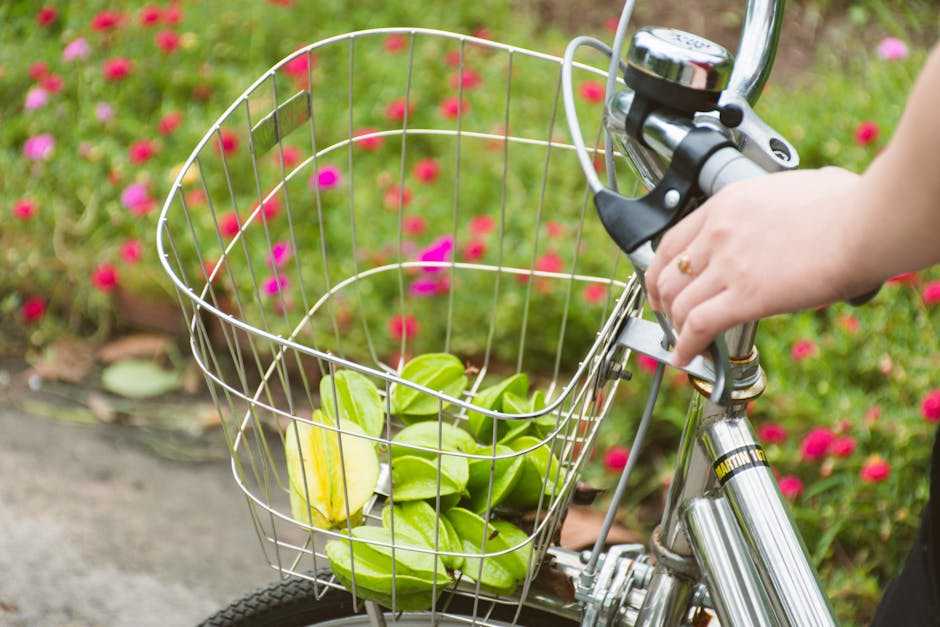
Short on time? No problem. Grab a banana, a couple of rice cakes with honey, or an energy bar you trust. It’s not ideal, but it’ll get the job done without sitting heavy.
The key: fuel smart, not fancy. You’re not prepping for a cooking show you’re getting ready to move.
Mid Ride Nutrition Strategy
If your ride stretches past 90 minutes, your body starts to drain its fuel reserves. Glycogen tanks get low, and muscles stop firing as efficiently. That’s when mid ride nutrition stops being optional. You’re not just eating to keep going you’re eating to avoid crashing.
Aim for 30 to 60 grams of carbs per hour, depending on how long and hard you’re riding. This isn’t the time for a burrito break. You want carbs that digest fast and go straight to muscle fuel: think sports drinks, energy gels, chews, or dried fruit. They’re easy to pack, quick to consume, and kind to your gut if you’ve tested them in training.
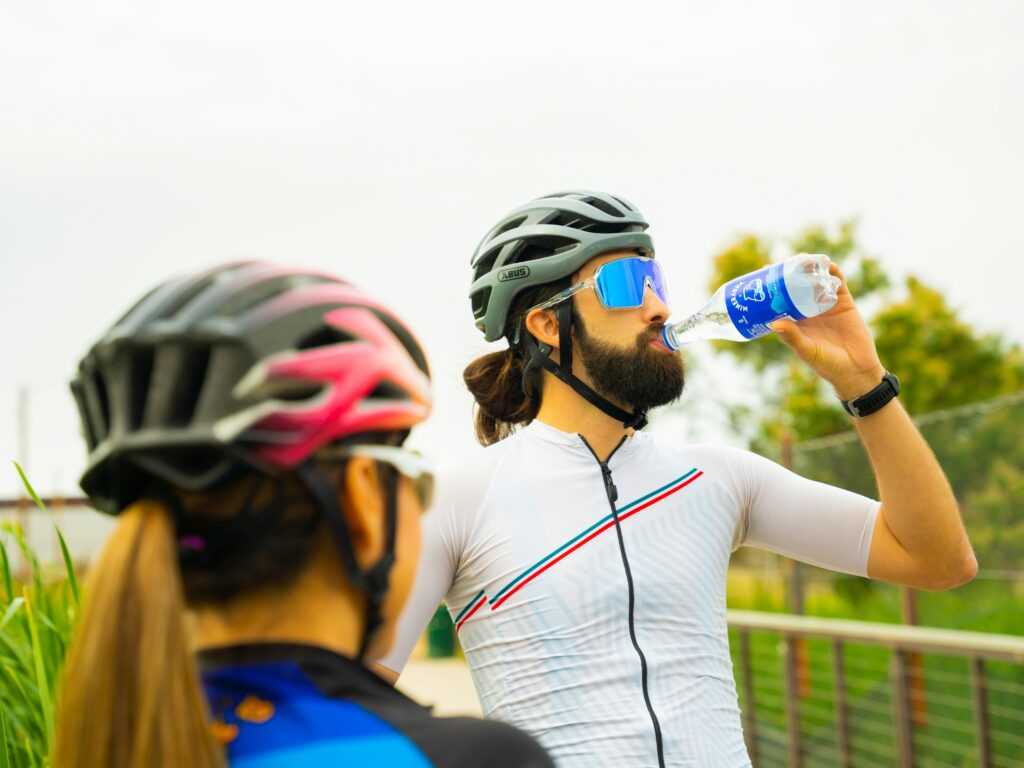
And don’t sleep on hydration. Water helps, but electrolytes matter more especially on longer rides or in the heat. Sodium, potassium, magnesium they all help keep your muscles firing and your brain from bonking. A good sports drink or electrolyte mix can make the difference between powering through the finish or dragging home bonked and foggy.
Mid ride fueling is about maintenance, not recovery. Keep it light, keep it frequent, and keep it tested.
After the Ride: Rebuild and Refuel
Your ride might be over, but your recovery window has just opened and it’s tight. Aim to eat within 45 minutes of finishing. That’s when your muscles are most receptive to absorbing nutrients and rebuilding glycogen stores.
The magic number? A carb to protein ratio of about 3:1 to 4:1. This helps replace what you burned and kickstarts muscle repair. Go with options like a protein shake and banana, a plate of rice and chicken, or that old standby chocolate milk.
Don’t forget hydration. Your body lost more than just water. Replenish with fluids that include electrolytes especially sodium and potassium to replace what you lost through sweat.
For more solid ideas, check out these post ride recovery foods. Recovery isn’t extra it’s part of the ride.
Pro Tips for Nutrition on Long Rides
You don’t wing it on race day and you shouldn’t with food either. Test your meals and snacks during training rides so you know exactly what sits well with your gut at mile 40. Surprises are for birthdays, not century rides.
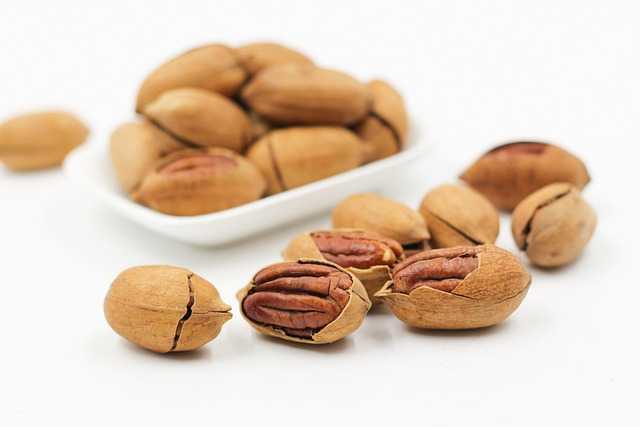
Stick to foods you’ve used before. Pack small, calorie dense options: energy chews, nut butter packets, dates, or a bar you trust. This isn’t the time to try that artisanal jerky your friend swears by. Even the best fuel means nothing if your stomach taps out halfway in.
Everyone digests differently. Some riders swear by bananas. Others feel wrecked after anything more solid than a gel. Figure out what works for you and don’t overthink what everyone else is doing.
Also, don’t fall into a routine rut. Different intensity, elevation, or weather hot, humid, or cold can change your fueling needs. Be ready to adjust. More fluids, fewer solids. More salt, less date paste. Stay present, listen to your body, and stay ahead of the bonk.
This plan isn’t just about eating more it’s about fueling smart, staying strong, and recovering fast for your next ride. For a full breakdown of optimal foods to speed up repair, muscle growth, and glycogen replacement, explore this guide to post ride recovery foods.
 Hello, I'm Henry Kirkland, and I’m proud to be part of the Cycle Smooth Ride Long team. Cycling is more than just a sport for me—it’s a way of life. I’m here to share my passion and expertise with you, helping you navigate the world of cycling with confidence and joy.
Whether you’re a beginner looking to get started or a seasoned rider aiming to refine your skills, my goal is to provide you with the insights, tips, and guidance you need to make the most of your cycling journey. At Cycle Smooth Ride Long, we’re dedicated to creating a community where cyclists of all levels can connect, learn, and grow together.
Hello, I'm Henry Kirkland, and I’m proud to be part of the Cycle Smooth Ride Long team. Cycling is more than just a sport for me—it’s a way of life. I’m here to share my passion and expertise with you, helping you navigate the world of cycling with confidence and joy.
Whether you’re a beginner looking to get started or a seasoned rider aiming to refine your skills, my goal is to provide you with the insights, tips, and guidance you need to make the most of your cycling journey. At Cycle Smooth Ride Long, we’re dedicated to creating a community where cyclists of all levels can connect, learn, and grow together.