You’ve stood in front of that mirror after three months. Same body. Same frustration.
Same empty feeling.
You show up. You grind. You watch other people get results while you stay stuck.
That’s not your fault. It’s the gym’s design. Not yours.
Most places sell access to treadmills, not real coaching. They don’t care if you progress. They care if you renew.
A true fitness training center? It’s not about square footage or how many machines they have. It’s about expert eyes on your form.
It’s about plans built for your goals (not) a generic template.
Fntkgym is one of those rare spots where coaching comes first and equipment stays second.
I’ve watched people transform there. Not because they worked harder, but because they finally got direction.
This article shows you exactly how to spot the difference. No hype. No fluff.
Just what works.
Fitness Training Center vs. Gym: What’s Actually Different?
A fitness training center is a place where coaching comes first.
It’s not about selling memberships. It’s about showing up, getting assessed, and working with the same trainer week after week.
Fntkgym is one of those places. I’ve trained there. I’ve watched people stick with it for years.
That doesn’t happen by accident.
Gyms? Most are just equipment warehouses with a front desk.
You walk in. You swipe your card. You’re handed a tour.
Then you’re on your own.
Does that sound like support? Or just access?
At a real training center, your program changes every 2. 3 weeks. Your form gets corrected. Your goals get tracked.
Your progress gets named out loud.
At a gym? You’re lucky if someone notices you’re using the leg press wrong.
Community isn’t built with hashtags or group class sign-ups. It’s built when people know your name, your weak points, and what you ate before today’s session.
I’ve seen folks quit gyms after six weeks. Same people show up to training centers for eighteen months straight.
Why? Because no one’s watching them at the gym. At a center?
Someone is watching. And they care.
Equipment tells the truth fast.
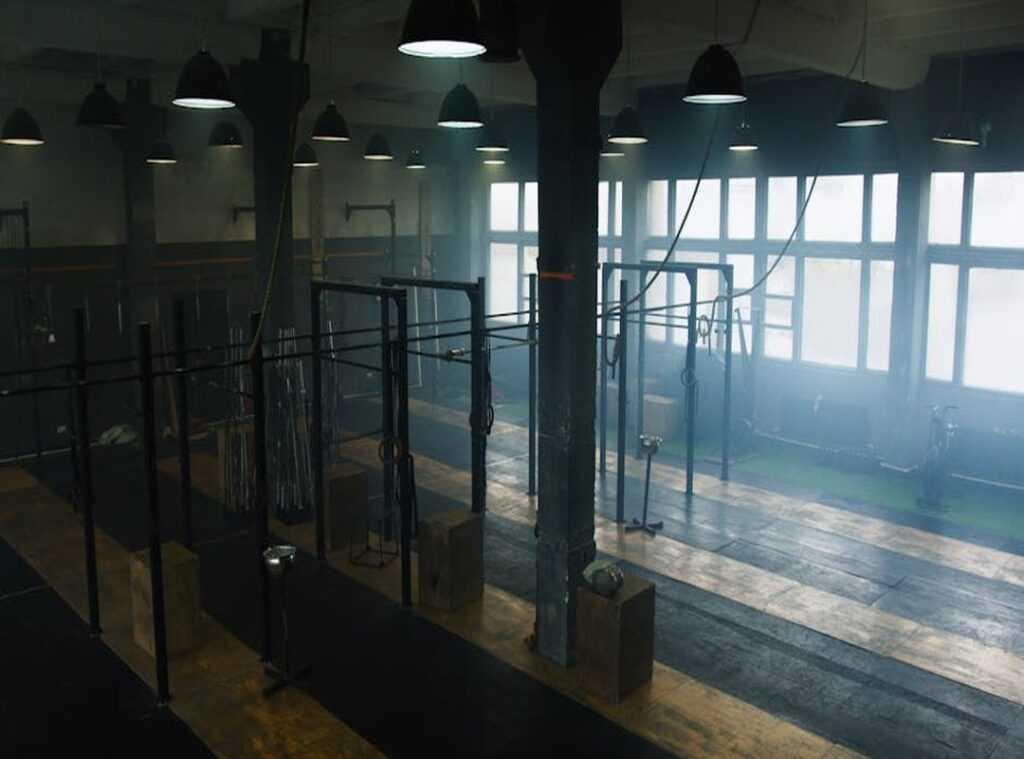
Sleds. Platforms. Power racks.
Plyo boxes. All built for movement. Not just burning calories.
Gyms stack treadmills. Centers stack barbells.
You want to get stronger? Faster? More durable?
Then you need coaching that adapts (not) a membership that expires.
You want to look busy while scrolling TikTok? A gym works fine.
But let’s be honest. How many people actually do that and get results?
I stopped going to big-box gyms in 2016. Not because I hated them. Because they didn’t move me forward.
If you’re tired of guessing, stop guessing.
Find a place where the coach knows your name before you say it.
Why Coach-Led Training Actually Works
I used to think I could wing it. No coach. No plan.
Just me, a dumbbell, and good intentions. Spoiler: it didn’t last.
Accountability isn’t fluffy. It’s scheduled.
You show up because someone expects you. Not because you feel like it.
That changes everything. Procrastination dies fast when your coach texts “See you at 6.”
Form matters more than reps. I tore my rotator cuff doing push-ups wrong. No joke.
A coach watches your shoulder angle, your wrist position, your breathing. They stop you before the injury happens. Not after.
Personalized doesn’t mean complicated. It means your workout starts where you are (not) where some app thinks you should be. No more guessing if that weight is right.
No more wasting 45 minutes on filler moves.
You get real-time feedback. Not a YouTube comment from 2017.
And yes. Community helps. Not the performative kind.
The kind where someone spots you, celebrates your first pull-up, or just remembers your kid’s name. It sticks better when people care.
The Fntkgym Gymansium Guide From Fitness-Talk breaks this down with actual case studies (not) theory. They track how long people stay consistent with vs without coaching. The gap is wild.
Time is the only thing you can’t get back.
So why spend it learning form from a blurry Instagram reel?
Coaches don’t fix you.
They give you tools you keep using long after the session ends.
You’re not paying for someone to yell at you. You’re paying for fewer injuries. Fewer plateaus.
I covered this topic over in Fntkgym Gymansium Guide From Fitness-Talk.
Fewer wasted hours.
Ask yourself: how many months have you restarted the same routine?
How many times has “next Monday” become “next month”?
This isn’t about motivation.
It’s about structure that works (even) when you don’t feel like it.
Your Real-World Fitness Center Checklist
I’ve walked into over two dozen gyms pretending to be a new member. Some made me feel like family in five minutes. Others made me want to leave before I even saw the squat rack.
Here’s what I actually check. No fluff, no theory.
Credentials & Coaching Philosophy
Look for CSCS or NSCA-CPT on the wall. Not just ACE or NASM. Those matter if you’re serious about strength or rehab.
Ask: “How do you adjust programming when someone’s knee clicks during lunges?”
If they shrug or say “we just scale the weight,” walk out.
The onboarding process tells you everything. A good center spends 45+ minutes watching you move, asking about old injuries, and writing notes. Not just scanning a waiver and handing you a water bottle.
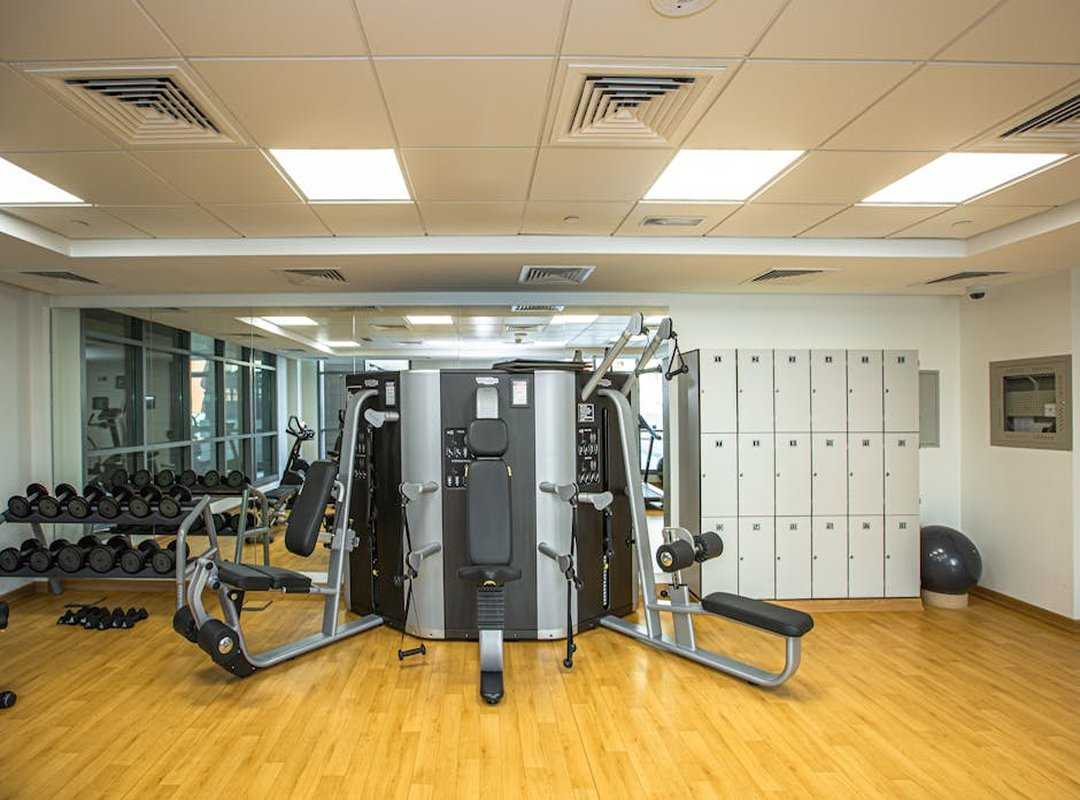
Facility and equipment? I sniff first. If it smells like old sweat and disinfectant fighting to a draw, that’s fine.
But if the barbells are bent, the floor is cracked, or the pull-up bars wobble (that’s) not character. It’s neglect.
Community atmosphere isn’t soft stuff. Go at 5:30 p.m. on a Tuesday. Watch how coaches talk to people mid-set.
Do they correct form while someone’s breathing hard? Or wait until they’re done and ask permission first? That tells you more than any mission statement.
Trial sessions and pricing transparency? If they won’t let you try a real class (not) a “sales demo” with three reps and a smile. Skip them.
And if the website says “starting at $99” but doesn’t list what that includes? That’s not marketing. It’s bait.
I once joined a place because the Instagram looked perfect. Turns out their “functional fitness” meant burpees and box jumps. For everyone, every day.
So here’s my call:
Pick the place where the coach remembers your name and your left hip tightness after one session.
Where the pricing page has numbers, not “custom packages.”
Where the equipment looks used. Not abused.
My back hated me for six weeks.
And if you see Fntkgym mentioned locally? Ask around. Not on Google.
In person. At the coffee shop next door. Real talk beats brochures every time.
Stop Wasting Time at Generic Gyms
I’ve been there. Staring at the same machines. Doing the same routine.
Going nowhere.
Generic gyms don’t fix your plateau. They just let you spin in place.
You need real guidance. Not a brochure. Not a crowded class.
Not another app that guesses what you need.
That’s why the 5-point checklist matters. It cuts through the noise. You use it to spot the places that actually care about your progress.
Not their membership numbers.
Fntkgym is one of those places. Top-rated for accountability. Real trainers.
No fluff.
So. What’s stopping you from booking a consultation this week?
You already know which centers are nearby. Pick one. Call them.
Walk in.
Feel the difference before you commit.
Your goals aren’t waiting. Neither should you.
 I'm Daniel Leverette, and I’m excited to be part of the incredible team at Cycle Smooth Ride Long. Cycling has always been a passion of mine, and now, I get to share that passion with you by bringing expert insights, reviews, and tips to help you elevate your ride.
At Cycle Smooth Ride Long, we believe that every cyclist deserves the best experience, whether you’re hitting the pavement for a casual ride or gearing up for an intense training session. My goal is to ensure that you have the knowledge and tools you need to enjoy every mile, from choosing the right gear to optimizing your nutrition and fitness.
I'm Daniel Leverette, and I’m excited to be part of the incredible team at Cycle Smooth Ride Long. Cycling has always been a passion of mine, and now, I get to share that passion with you by bringing expert insights, reviews, and tips to help you elevate your ride.
At Cycle Smooth Ride Long, we believe that every cyclist deserves the best experience, whether you’re hitting the pavement for a casual ride or gearing up for an intense training session. My goal is to ensure that you have the knowledge and tools you need to enjoy every mile, from choosing the right gear to optimizing your nutrition and fitness.