Know What You’re Up Against
Staying hydrated in the summer is about more than just drinking water it’s about understanding how your body reacts to heat while riding and how quickly things can go wrong if you’re not paying attention.
Why Summer Heat Hits Harder on the Bike
When you’re riding, the combination of physical exertion and sun exposure creates a perfect storm for rapid fluid loss:
Constant movement in direct sunlight increases skin temperature and sweat rate.
Wind and airflow can trick you into thinking you’re cooler than you are, masking sweat loss.
Extended saddle time adds up, especially during multi hour rides with minimal shade.
How Dehydration Sneaks Up on You
Early stages of dehydration come with subtle signs that often get ignored during a ride. Many cyclists go past the tipping point before realizing they’re in trouble:
Fluid loss happens faster than you think especially in dry or windy conditions.
You might not feel thirsty until you’re already mildly dehydrated.
Skipping regular sips to “save time” can backfire in as little as 30 45 minutes.
Early Warning Signs to Watch For
Know your body’s signals before serious dehydration sets in:
Dry mouth and sticky saliva
Dull headache or lightheadedness, especially during climbs
Rapid heartbeat or labored breathing not syncing with your effort
Drop in power or performance without an obvious reason
Early onset of muscle cramps even if you’ve trained well
Monitoring these signs early allows you to course correct before you hit a wall. Waiting until you’re thirsty or exhausted is already too late.
Stay tuned for the next section, where we’ll break down exactly how much water you need to stay ahead of dehydration on hot rides.
How Much Water You Actually Need
There’s a simple rule that goes a long way: drink about 16 to 24 ounces of water per hour when riding in hot weather. It’s not exact science, but it’s a solid baseline. Long ride with climbing? Go closer to 24. Cruising at low intensity? Maybe 16 is enough. Either way, it’s better to drink steadily than to fall behind.
But that’s just the floor. Your needs shift based on body weight, sweat rate, and altitude. Bigger riders burn through fluids faster. If you’re a heavy sweater or you’re grinding out climbs at elevation you’ll need to bump that intake. The only way to really know is to do a sweat test: weigh yourself before and after a ride (nude, no shame), and see how many pounds of water you lost. One pound down = 16 ounces that didn’t get replaced.
Still, more isn’t always better. Overhydration is real and risky. If you’re pounding water without balancing electrolytes, you risk diluting sodium levels in your blood. That’s called hyponatremia. The symptoms nausea, confusion, headache can look like heat exhaustion but get far worse, fast. So yes, drink up. But drink smart.
Water vs. Electrolytes: Both Matter
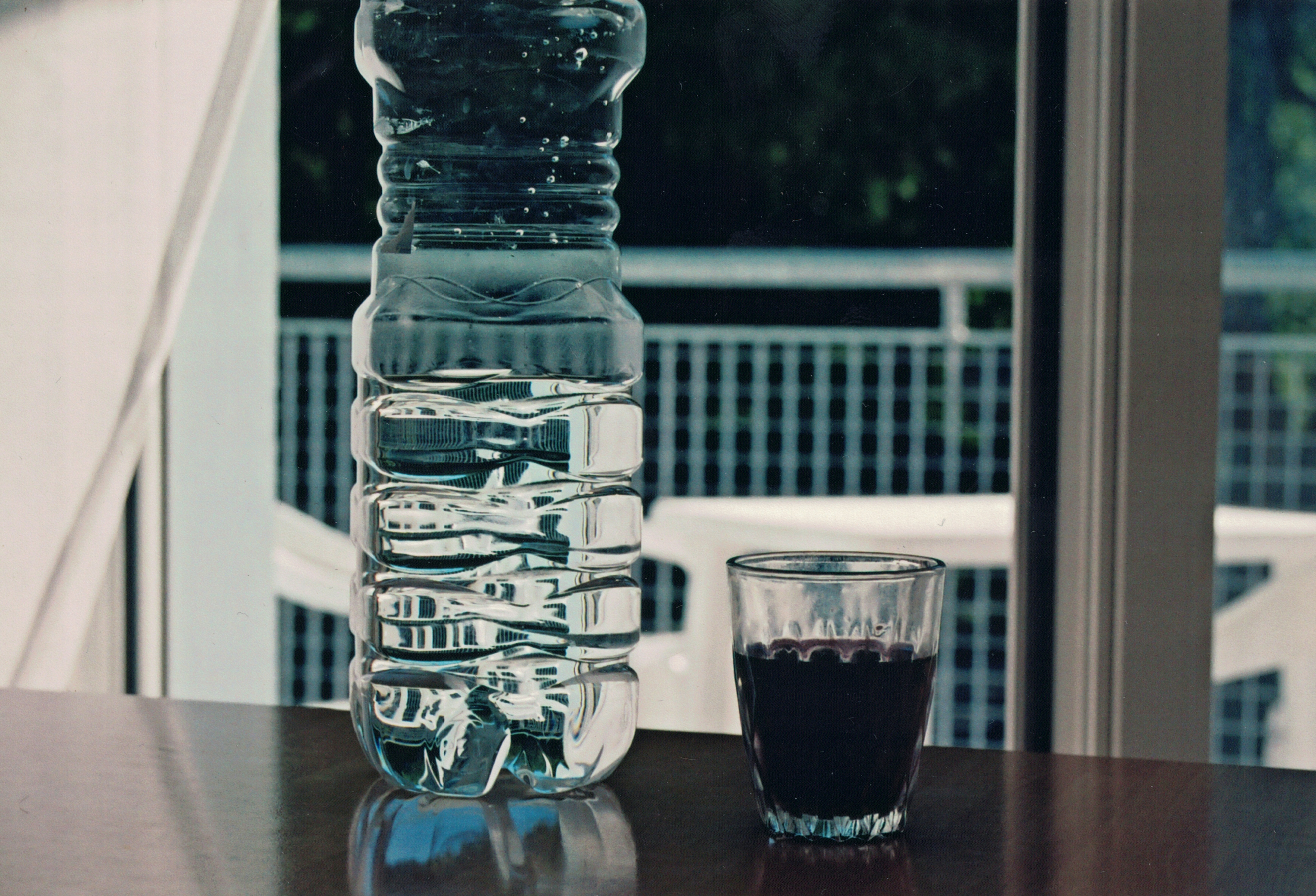
Plain water can keep you from overheating short term, but it won’t carry you through a brutal summer ride. When you sweat, you’re not just losing water you’re bleeding out essential electrolytes. That trio sodium, potassium, magnesium keeps your muscles firing and your body systems running under stress. Without them, hydration falls flat and cramps creep in fast.
Sodium helps retain water and control muscle contractions. Potassium balances fluid inside your cells and supports nerve function. Magnesium helps prevent muscle spasms and fatigue. Losing all three without replacing them is like trying to pedal uphill with square wheels.
That’s where hydration tablets, electrolyte drink mixes, and all in one sports drinks step in. Used wisely, they keep your fluid balance tight and your legs turning smoothly. Drop a couple tablets in one bottle and keep another with water. Dial your intake based on how much you’re sweating not just thirst. Stay ahead of the loss and you dodge the cramps.
Long rides in heat are hard enough. Don’t make it harder by skipping what your body really needs.
Timing Your Intake Before, During, After
Proper hydration for cycling isn’t just about sipping water when you feel thirsty. It’s a full cycle process that starts before your ride and continues even after you’ve racked your bike. Time your fluid intake strategically to stay sharp, avoid cramping, and recover faster.
Before the Ride: Start Hydrating the Night Before
Don’t wait until wheels are spinning to think about hydration. Preloading fluids improves performance and helps you handle heat better.
Drink extra fluids the evening before a long or hot ride.
Aim for an additional 16 20 oz of water throughout the evening, spaced out to avoid overloading your system.
Consider adding electrolytes to one of those servings especially if temperatures are high or the ride is intense.
Check your urine color in the morning: pale yellow is a good indicator you’re well hydrated.
During the Ride: Sip, Don’t Chug
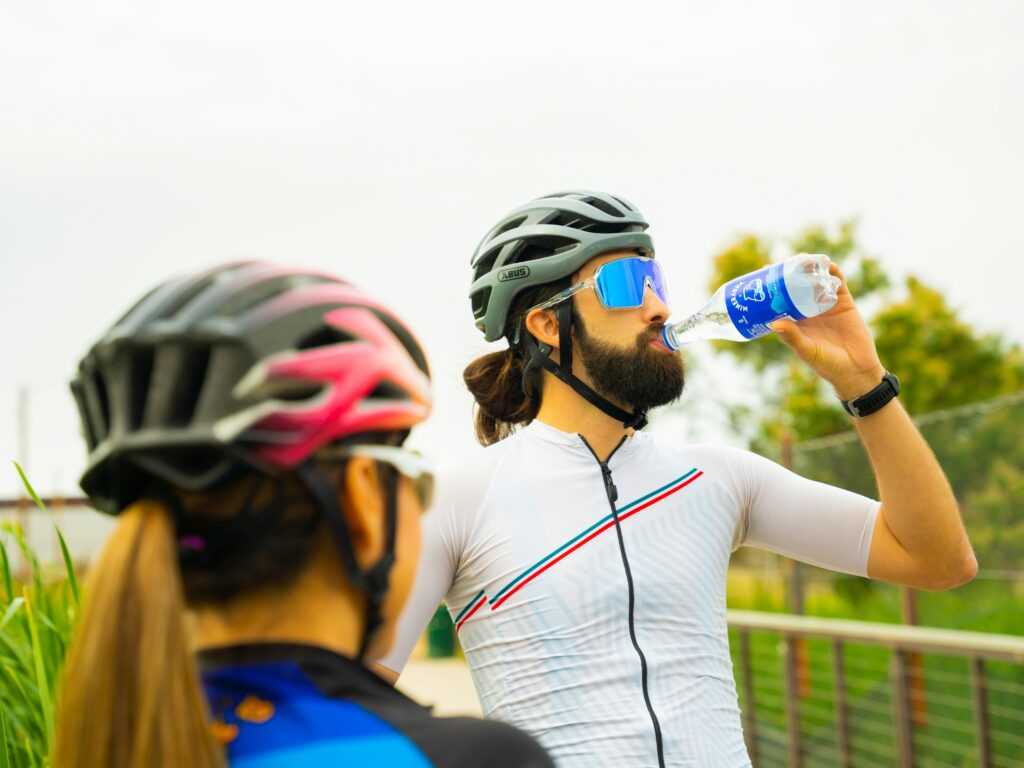
While you’re riding, consistent sipping beats sporadic chugging. Keeping the flow steady helps your body absorb fluids more efficiently.
Aim to sip small amounts every 10 15 minutes, especially under direct sun or on climbs.
Target 16 28 oz per hour, depending on temperature, intensity, and sweat rate.
Alternate between water and electrolyte infused drinks to maintain balance.
If you feel thirsty, you’re already behind set time based reminders if needed.
After the Ride: Recovery Hydration Matters
Rehydration isn’t only about quenching thirst it’s about restoring balance.
Weigh yourself before and after the ride; for every pound lost, drink 16 24 oz of fluid in the hours that follow.
Use recovery drinks that mix electrolytes with carbohydrates to help the body bounce back.
Don’t forget food: hydrating foods like watermelon, oranges, and cucumber can support hydration while replacing lost nutrients.
More on smart hydration strategy for long efforts
Know Your Gear
Where and how you carry water matters more than most cyclists think especially in the heat. Summer sun doesn’t just roast your skin; it turns exposed bottles into warm soup fast. If all your hydration is on the frame, and your only bottle is catching direct sunlight, you’re going to feel it halfway through the ride.
That’s where insulated bottles come in. They weigh a little more, but they buy you time keeping fluids cooler for an extra hour or two, which can make a real difference when you’re grinding out hills at noon. Hydration packs shift the game. They’re better for longer rides, particularly if you’re not a fan of breaking rhythm to reach down. Downsides? They’re heavier, warm up against your back, and can be a pain to clean.
Bottom line: Test your setup. Can you easily grab a bottle without weaving off your line? Can you sip from your pack without slowing down? Do a few practice intervals and reach for water in real time. If your flow system breaks pacing or focus, consider a swap. The best hydration setup is the one that keeps you drinking regularly without costing mental energy.
Real Ride Hydration Tricks
Hydrating right isn’t just about what you drink it’s also how you plan for it. One no nonsense move: fill your bottle halfway the night before, freeze it, then top it off in the morning. You’ll have cold water for longer instead of sipping from a bottle that’s been sunbaked by mile ten.
Keep a couple of single serve electrolyte packets stashed in your saddle bag. They weigh next to nothing and turn a plain bottle into a cramp fighting mix when you’re sweating buckets. Bonus: they’re lifesavers on those unplanned detours or ride extensions.
Set simple reminders via your bike computer, your watch, or even route segments to sip every 15 to 20 minutes. It feels annoying at first, but it keeps you from chasing hydration after the damage is done. Pros don’t just wing it when it comes to fluid strategy.
More insight from those who’ve mastered the long, hot grind: Pro level tips from long distance hydration experts.
When to Pull the Plug
Cyclists pride themselves on mental toughness. But when the sun is cooking and the sweat won’t stop, stubbornness can end badly. Heat exhaustion isn’t a badge of honor it’s a warning bell. Early signs? Dizziness, nausea, headache, chills, or an unusually rapid pulse. If your skin feels clammy or you stop sweating entirely, that’s no longer a hard day that’s danger.
Dehydration doesn’t just zap performance. It messes with judgment and reaction time. When you keep pushing past the point of overheating, you risk heat stroke, muscle breakdown, and long term damage. It’s not just about finishing the ride it’s about whether you’ll be fit to ride next weekend.
There’s strength in knowing when to back off. Smart riders learn to spot when the numbers (heart rate, power, even mood) aren’t making sense for the effort. On brutal days, calling it early isn’t quitting. It’s training with longevity in mind.
 I'm Daniel Leverette, and I’m excited to be part of the incredible team at Cycle Smooth Ride Long. Cycling has always been a passion of mine, and now, I get to share that passion with you by bringing expert insights, reviews, and tips to help you elevate your ride.
At Cycle Smooth Ride Long, we believe that every cyclist deserves the best experience, whether you’re hitting the pavement for a casual ride or gearing up for an intense training session. My goal is to ensure that you have the knowledge and tools you need to enjoy every mile, from choosing the right gear to optimizing your nutrition and fitness.
I'm Daniel Leverette, and I’m excited to be part of the incredible team at Cycle Smooth Ride Long. Cycling has always been a passion of mine, and now, I get to share that passion with you by bringing expert insights, reviews, and tips to help you elevate your ride.
At Cycle Smooth Ride Long, we believe that every cyclist deserves the best experience, whether you’re hitting the pavement for a casual ride or gearing up for an intense training session. My goal is to ensure that you have the knowledge and tools you need to enjoy every mile, from choosing the right gear to optimizing your nutrition and fitness.