What Sets Clipless and Flat Pedals Apart
At the core, clipless and flat pedals offer two very different riding experiences. Clipless pedals (confusing name, we know) actually do involve clipping in your shoes attach to the pedals via cleats, creating a locked in feel. This setup lets you pedal more efficiently through the entire rotation, pulling up and pushing down. Flat pedals, on the other hand, are just that: flat. No special shoes needed, no clicking in just step and go.
When it comes to gear, clipless systems require clipless specific cycling shoes and matching cleats compatible with your pedal type (two bolt for mountain, three bolt for road, generally). Flats work with pretty much any shoe, though grippy soles and a stiff midsole make a big difference.
As for what to pick: flat pedals are solid if you’re newer to cycling, ride technical trails, or just want the freedom to dab a foot in a hurry. Clipless excels on climbs, sprints, and longer road or MTB rides where efficiency and power transfer matter most. Each has its spot it depends on how and where you ride.
Pros & Cons of Flat Pedals
Flat pedals are the default for a reason. For beginners, they offer simplicity and safety no special shoes, no clipping in, and no panic if you need to bail fast. Downhill riders love them for the same reason. Flat pedals let your feet move more freely, which comes in handy when navigating steep descents or sudden technical sections. If things go sideways, you can step off and recover without fighting your gear.
The main upside: ease. Getting on and off the bike is quick. There’s room for error, and you don’t need muscle memory just to stop at a traffic light. Plus, you get more natural movement, which makes learning technique less intimidating.
But there’s a trade off. With flat pedals, you lose some efficiency. Without that locked in foot position, energy transfer from leg to pedal isn’t as tight. You’ll also work harder to keep your feet steady during hard efforts or rough terrain. That makes flats a killer choice for control and comfort but not the winning option for pure power output.
In short: flats are more forgiving, especially when you’re learning or riding rugged lines. Just know you’ll sacrifice a bit of pedal performance in the process.
Pros & Cons of Clipless Pedals
Clipless pedals lock your shoes onto the pedal using a cleat mechanism. That solid connection translates to efficient power transfer almost all the force from your legs goes directly into the bike. When you’re climbing steep hills or going all out in a sprint, that efficiency matters. The pedal stroke becomes smoother, and the bike responds faster.
Control also gets a bump. Being locked in means no slipping, and you can pull as well as push during the pedal rotation. For technical climbs or fast switchbacks, that added stability can be a real advantage.
But there’s a learning curve. Getting in and out of clipless pedals takes practice. Miss the timing, and you might end up tipped over at a red light or halfway up a trail. In emergency stops, delays unclipping can feel risky. Beginners usually need a few rides and a few awkward falls to get the muscle memory dialed in.
So, they’re not plug and play. But once you’re used to them, clipless pedals give you the kind of control and power that flat pedals just can’t. Most experienced riders say the payoff is worth it.
Matching Pedal Type to Your Cycling Goals
What you ride and where you ride matters. For urban commuters and casual cyclists, flat pedals are often the go to. They’re practical no special shoes needed and you can hop on and off with zero drama when you hit stoplights or traffic. If speed and distance are more your thing, especially on road bikes, clipless pedals start to shine. That locked in connection gives you better power transfer, which makes a real difference on long rides or hard efforts.
On the trails, it’s a mixed bag. Some mountain bikers swear by clipless pedals for control on climbs and fast technical sections. Others stick with flats for quick foot outs on sketchy descents. The layout of your typical route plays a role here rock gardens, switchbacks, loose terrain because sometimes you need to get a foot down now, not half a second later.
A lot of riders don’t stay locked into one system. It’s not uncommon to switch, depending on the ride. Flat pedals for a chill ride or a skills session. Clipless for a race or a focused training day. The best setup is the one that meets your goal, your terrain, and the kind of confidence you want underfoot.
Tips for Making the Switch (Either Way)
Making the switch to clipless pedals? Start with low stakes rides flat paths, minimal traffic, zero pressure. Practice clipping in and out while holding onto a wall or railing. Muscle memory is everything, and you don’t want your first learning moment to be at a red light with a line of cars behind you. Set your tension at its loosest setting until unclipping feels second nature. Oh, and don’t beat yourself up if you tip over a few times. Everyone does.
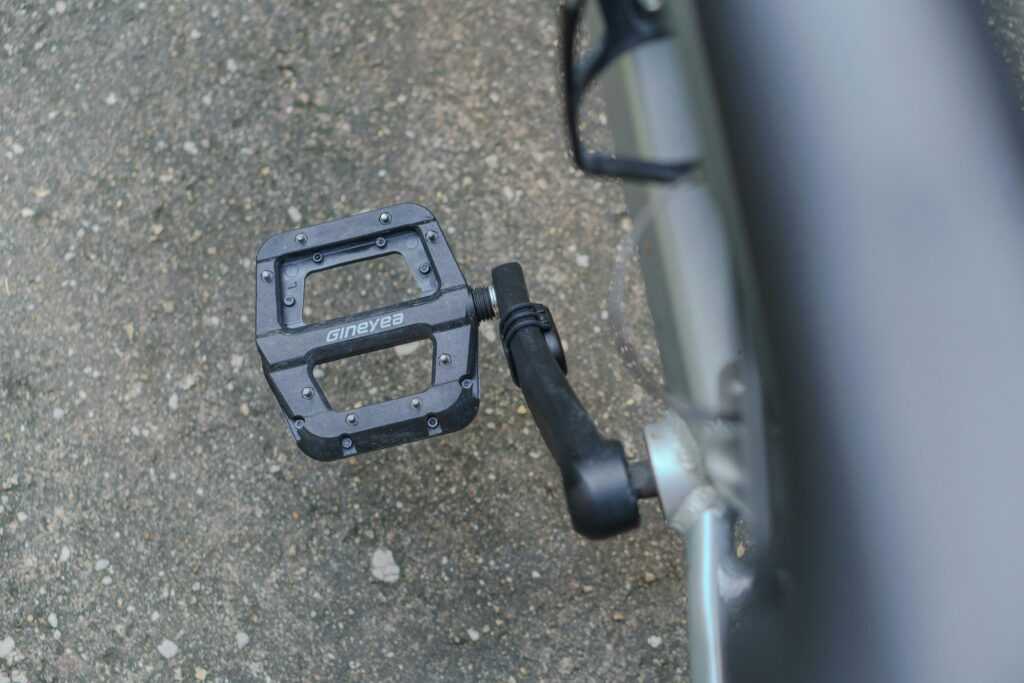
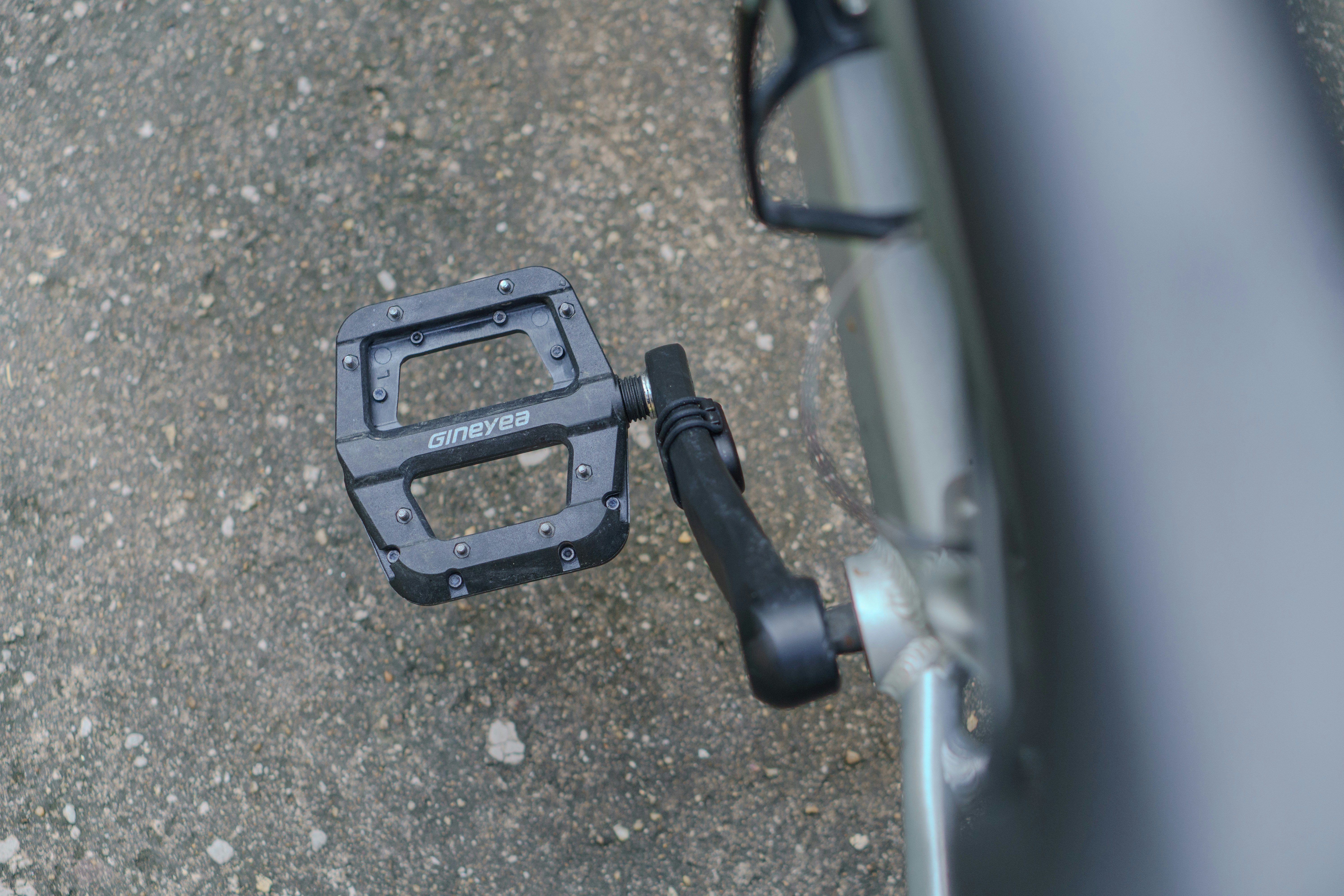
If you’re sticking with or returning to flat pedals, don’t settle for cheap plastic. Look for wide platform pedals with good pin placement. More surface area means better stability, and pins help grip your soles so you’re not bouncing off on rough descents. Metal pins are grippier but can chew up your shins, so consider wearing padded socks or knee shin guards until you dial things in.
No matter what you ride with, confidence and safety come down to awareness. Keep your head up, read the terrain, and stay relaxed. Whether you’re clipped in or flat footed, it’s your balance, timing, and decisions that keep you upright not the gear.
More Resources on Pedals
When it comes to choosing between clipless and flat pedals, the decision isn’t always clear cut. The truth is, your ideal setup depends on your riding style, goals, and comfort level.
Want to Go Deeper?
Before locking in your choice, it’s worth exploring the full landscape:
Compare real world performance differences between pedal types
Learn how factors like terrain, shoe design, and bike setup play a role
Hear directly from riders who’ve used both systems in varied conditions
Read the full breakdown: Pedals Comparison Guide
No One Size Fits All Solution
Every rider is different, and so are their pedal preferences. Use this guide to help:
Understand the mechanics and trade offs
Narrow down your options based on specific ride types
Make a choice that builds your confidence and complements your goals
Final Choice: It’s About Confidence
Pedal debate? Forget the hype. There’s no gold standard only what works best for how you ride. Bombing down techy trails? Flats might give you freedom and fast foot outs. Grinding up climbs or chasing KOMs? Clipless could give you that locked in efficiency.
Don’t decide after one ride. If you’ve only tried one style, borrow a buddy’s setup or head to a demo. The difference in feel can be huge, and it’s not always obvious until you test it in your terrain, at your pace.
Lastly, don’t treat your choice like it’s permanent. As your skills evolve, so will your setup. Try new shoes, swap pedals, tweak angles. Confidence comes from knowing your gear and from keeping it dialed to where you’re at, not where you started.
 Hello, I'm Henry Kirkland, and I’m proud to be part of the Cycle Smooth Ride Long team. Cycling is more than just a sport for me—it’s a way of life. I’m here to share my passion and expertise with you, helping you navigate the world of cycling with confidence and joy.
Whether you’re a beginner looking to get started or a seasoned rider aiming to refine your skills, my goal is to provide you with the insights, tips, and guidance you need to make the most of your cycling journey. At Cycle Smooth Ride Long, we’re dedicated to creating a community where cyclists of all levels can connect, learn, and grow together.
Hello, I'm Henry Kirkland, and I’m proud to be part of the Cycle Smooth Ride Long team. Cycling is more than just a sport for me—it’s a way of life. I’m here to share my passion and expertise with you, helping you navigate the world of cycling with confidence and joy.
Whether you’re a beginner looking to get started or a seasoned rider aiming to refine your skills, my goal is to provide you with the insights, tips, and guidance you need to make the most of your cycling journey. At Cycle Smooth Ride Long, we’re dedicated to creating a community where cyclists of all levels can connect, learn, and grow together.