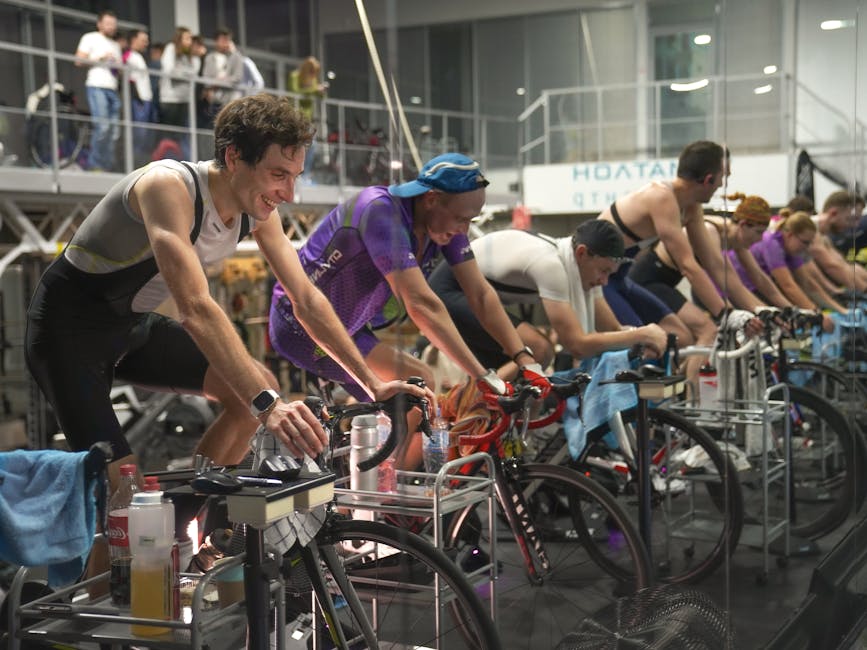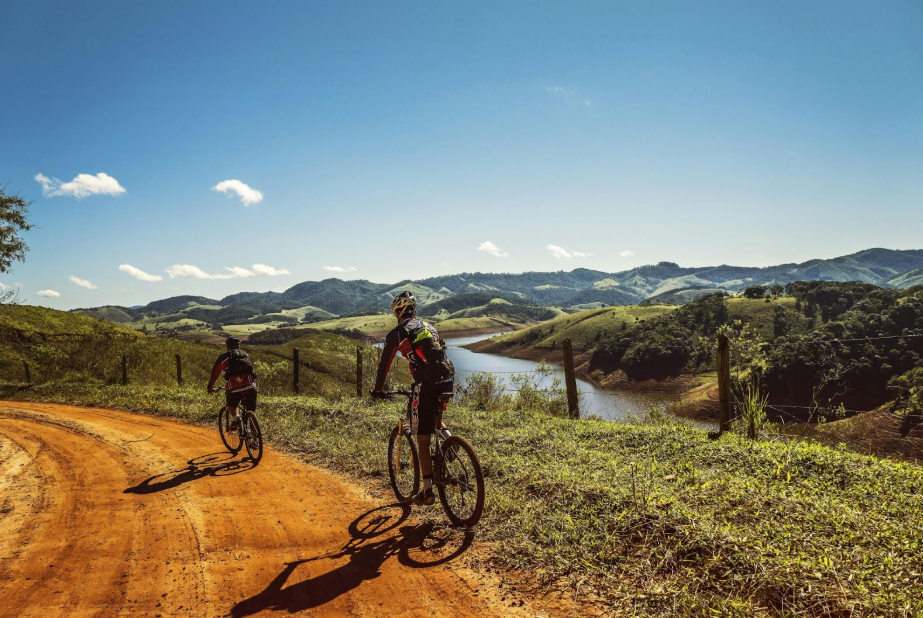
Getting into road cycling at 40 can be hugely rewarding. Markedly improved health, making your doctor happy. More energy, you can play with the kids without feeling you need an oxygen mask. And having time on those long quiet roads, fresh air hitting your face, there’s nothing quite like it to boost your mood.
But before you head to your nearest bike shop to start a 50-mile ride, stop for just a second. Your body isn’t the same as it was at 20, unfortunately. If you push too hard, you can end up with pain in places you didn’t know existed, injuries are common, and it’s just no fun without proper planning.
In this guide, we’ll take you through the essentials. The proper bike fit. Smart progression that’s built to work with a 40+ body. Taking steps to prevent injury, recovering properly after every ride. This will build your fitness slowly and safely, increase your confidence after each and every ride, and you’ll soon make a morning ride a standard part of your routine.
Bike Fit: Your Foundation
You need to start with the proper setup, you can’t grab your nearest beater bike and hit the road. A bike that fits you will help prevent pain and injuries, plus it’s far more enjoyable.
You need to get a professional fit. The saddle height needs to be accurate, test your reach properly, and your handlebar position should be on point. Learn to adopt the right posture, with your shoulders relaxed, elbows slightly bent, and your wrists neutral.
Not only that, you should try to invest in the right kit. Choosing the right cycling jersey, for example, will give you more breathable materials, something so lightweight you hardly feel it, resulting in a better cycling experience.
Gradual Training Progression: Build Fitness Safely
We get it, you’re excited. But learn to build your miles and intensity slowly. Start small, say 2-3 easy rides per week. You want to push yourself slightly, but nothing too taxing.
Increase gradually. It’s far easier to dial up the intensity over time, rather than having to come to a sudden halt, forcing you to start from 0. To avoid overload, don’t add more than 10% per week to distance or time.
Injury Prevention: Protect Your Body
Your body changes with age; it’s time to face that fact. Joints require extra care, and your muscles will respond differently than they used to. Adapt, and you can still reach a very high level of performance (yes, you can even rival some cyclists in their 20s!).
First, learn to warm up properly. This goes for any exercise. For cycling, it’s 10-15 minutes of super easy pedalling. Avoid going harder before that timer hits, even if you only have time for a shorter ride.
Off-bike, you will need to spend some time in the gym. Strength training matters a lot as you get older, helping you build and maintain muscle, supporting joints, and giving you a natural barrier against injuries.
Also, learn to listen to your body. Learn when you can push that little bit harder, or when your body is telling you to STOP. Don’t ride through the pain when it gets too much, or you may be out of action for months.
Recovery: Your Most Powerful Tool
Recovery isn’t optional; it’s a core component of cycling. That’s where progress happens, and where you further help prevent injuries. Sleep is a miracle cure, and if you’re active, add a dose. Aim for 7-9 hours nightly, as research shows sleep helps to repair muscles and boost energy. Getting a good night’s rest is non-negotiable.
You also need to insert some easy riding days. Or just rest altogether. This is really important when first starting, as most novice cyclists tend to be a little too keen, resulting in injury.
If you’re low on protein in your diet, fuel up. Try to go for natural options that are high in protein (e.g. chicken, eggs) for the most part, but don’t be afraid to use supplements (protein shakes can be good, but only as a small part of your diet).
Ride On: A Strong Start at 40
Starting road cycling at 40 doesn’t mean you should try to make up for lost time. You need to ride smarter, respecting your body, building slowly to peak performance. With the right bike fit, a thoughtful training plan, injury prevention habits, and recovery routines, you can become an elite performer.
Or just have cycling as a core part of your exercise routine, without competitive goals, that’s also fantastic. Cycling is fun and great for your mind and body. Enjoy your progress, build steadily, and celebrate that you’re investing in your health as you hit 40+.
 I'm Daniel Leverette, and I’m excited to be part of the incredible team at Cycle Smooth Ride Long. Cycling has always been a passion of mine, and now, I get to share that passion with you by bringing expert insights, reviews, and tips to help you elevate your ride.
At Cycle Smooth Ride Long, we believe that every cyclist deserves the best experience, whether you’re hitting the pavement for a casual ride or gearing up for an intense training session. My goal is to ensure that you have the knowledge and tools you need to enjoy every mile, from choosing the right gear to optimizing your nutrition and fitness.
I'm Daniel Leverette, and I’m excited to be part of the incredible team at Cycle Smooth Ride Long. Cycling has always been a passion of mine, and now, I get to share that passion with you by bringing expert insights, reviews, and tips to help you elevate your ride.
At Cycle Smooth Ride Long, we believe that every cyclist deserves the best experience, whether you’re hitting the pavement for a casual ride or gearing up for an intense training session. My goal is to ensure that you have the knowledge and tools you need to enjoy every mile, from choosing the right gear to optimizing your nutrition and fitness.