Start with the Right Mindset
When you’re just getting started with cycling, it’s easy to focus on speed how fast you can go, how quickly you can level up. But safety and awareness need to come first. You can’t get better if you’re not staying upright.
Every ride starts with a mindset: look before you move, assume not everyone sees you, and ride like you’re invisible. That doesn’t mean be timid. It means be alert, deliberate, and easy to read on the road. Predictable movements help cars, other cyclists, and pedestrians work around you not through you.
Confidence is a must. But confusion can feel a lot like confidence if you’re not experienced. Rolling through intersections without knowing the rules, weaving in and out of traffic, or ignoring signals isn’t bold it’s just asking for trouble. Real confidence means knowing your limits, holding your line, and adjusting in real time without panic.
And visibility? That’s your armor. Reflective gear, lights even during the day, clear body language all of it creates space between you and everything else out there. If people can see you and guess your next move, you’re already a safer rider.
Must Have Safety Gear
A few smart pieces of gear can separate an enjoyable ride from a bad day on the road. It’s not about being over armored. It’s about being prepared, seen, and protected.
Helmet: Buy Smart, Wear It Right
All helmets are not created equal. Look for one that meets safety standards (like CPSC) and fits snugly without sliding. MIPS technology adds extra protection against rotational impact worth the bump in price. Don’t buy it and stash it. Strap it low on your forehead, not tipped back like a hat.
Lights & Reflectors: Day and Night Matter
Lights aren’t just for night rides. A bright white front light and a flashing red rear light boost visibility any time of day. Reflectors on pedals or wheels help. Keep batteries charged or go USB. The more visible you are, the less likely you’ll be ignored by traffic.
Gloves, Eyewear, Clothing: Small Comforts, Big Payoff
Gloves protect your hands from road rash in a fall and help with grip. Eyewear fends off bugs, wind, and grit. High visibility or reflective clothing works wonders, especially in sketchy lighting. Skip the all black kit unless you’re into stealth mode not ideal when sharing the road.
Bike Bell or Horn: Announce Yourself
It’s basic, but a bell can save you and others from surprise collisions. Pedestrians, dog walkers, and other cyclists appreciate a heads up. Horns add volume in noisier settings. Use them.
Mirrors: Behind Matters Too
Rearview mirrors bar end or helmet mounted help gauge what’s coming up behind without constant shoulder checks. They’re a must if you’re riding on traffic heavy streets or commuting regularly.
This isn’t overkill. It’s the baseline. Get the gear sorted so you can focus on the ride, not survival.
Know the Road and Your Rights
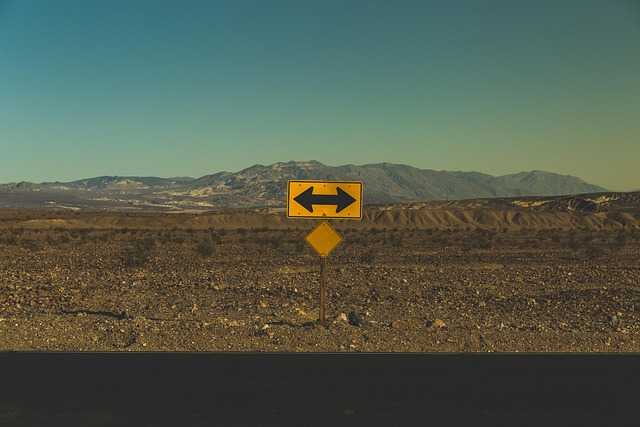
Cyclists share the road, which means thinking like a car driver without the steel cage. Reading traffic patterns isn’t just for survival, it’s how you ride smoother and smarter. Watch brake lights, pay attention to merging lanes, and always be ready for distracted drivers. If a car’s slowing down at an intersection, chances are they’re turning. If the light turns green, expect cross traffic to punch it.
Bike lanes are great when they exist and are clear. Use them. But don’t get stuck in one if it’s full of debris or random parked cars. In that case, you’ve got the legal right (and the safety responsibility) to take the lane, ride with traffic, and make your presence known. Just stay predictable swerving in and out is how close calls happen.
Hand signals matter. Left arm straight out = left turn. Left arm bent up at 90 degrees = right turn. Left arm down = slowing or stopping. It’s simple, but you have to do it early and confidently. Make eye contact with nearby drivers when possible. You’re small; be loud in body language.
A few rookie rule flubs: Riding against traffic (never do it), hugging the curb too tightly (you’ll get pinched), and blowing through stop signs like they don’t exist (they do, and people notice). Obey signs. Ride where cars expect you. Being in the right legally doesn’t help much if you’re invisible or unpredictable.
Maintain Your Ride
Before you even clip in, give your bike a once over. Brakes should respond cleanly without needing a death grip, tires should be firm (check pressure, especially if your bike’s been idle), and the chain should be clean, lightly lubed, and free of grind or slack. These checks take under two minutes, and skipping them is how minor issues turn into roadside headaches.
Every ride, you should carry a few essentials: a multi tool, a spare tube or patch kit, a tire lever, and a portable pump or CO2 inflator. Bring your ID, some basic first aid if you’re on a longer trip, and a charged phone. Toss it all in a saddle bag or frame pack so it’s always ready.
Bike maintenance isn’t one and done. Give your ride a basic clean monthly. Lube the chain more often if you ride in wet or gritty environments. Schedule a pro tune up once or twice a year, especially if you rack up miles.
Last, check the skies. Rain makes roads slick, wind can throw you off balance (especially in traffic), and low light demands visibility gear bright lights, reflective clothing, and maybe even an extra taillight for backup. Dress for the weather, but ride for visibility.
Every smart ride starts before your wheels even move.
Where You Ride Matters
Cycling on a scenic path beats navigating potholes and fast traffic any day. But not every rider has a quiet, bike friendly route outside their door. Choosing where you ride isn’t just about comfort it’s about safety. Purpose built bike lanes, shared use paths, and greenways protect you from cars and give you space to focus on the ride. Improvising with side streets or sidewalks might feel convenient, but they often come with blind spots, erratic foot traffic, and surprise obstacles.
Smart riders plan ahead. GPS apps like Komoot, Ride with GPS, or even Google Maps in cycling mode can help chart better routes prioritizing bike lanes, smoother terrain, and lower traffic roads. Some will even show rider generated heatmaps, so you know where cyclists actually go, not just where the map says you could.
Also, don’t underestimate the terrain. A short route with massive elevation gains can hit harder than a flat stretch twice as long. Similarly, wide rural roads may seem peaceful but lack shoulders or lighting. Urban riders face traffic and door zones. Every terrain demands your attention, so choose routes that match both your skill level and your day’s comfort zone.
Get location specific strategies in these
Keep Learning, Keep Riding
Cycling doesn’t stop at buying a helmet and mapping your route. The real growth kicks in when you start riding with more experienced cyclists. You’ll pick up habits you won’t find in beginner guides when to shift gears for hills, how to hold your line in tight traffic, and how to stay relaxed even when the route gets hectic.
Track your rides. That means more than just mileage. Look at your pacing, where you tend to slow down, where you skid or hesitate. Patterns expose both strengths and blind spots. Once you see them, you can fix them.
Don’t let gear or the lack of it hold you back. You don’t need top tier tech to train well. Ride what you’ve got. Patch it up. Keep it safe. But above all, keep moving. Same goes for fear. It’s normal to feel uneasy when you’re starting out. Just don’t let that stop you from rolling into new terrain.
Lastly, learn to read the riding around you. Urban rides demand different habits than open trails. A ride through the suburbs during rush hour teaches different lessons than cruising a rural stretch. The best cyclists are the ones always adjusting aware, alert, and still moving forward.
More beginner safety tips here
 I’m Brendamee McCartyierr, and as the founder of Cycle Smooth Ride Long, I'm thrilled to bring you the ultimate resource for all things cycling. Whether you're a seasoned rider or just starting on your cycling journey, our mission is to support your passion for two wheels with trusted advice, insightful reviews, and expert tips.
Cycling is more than just a hobby—it's a lifestyle that promotes health, freedom, and adventure. At Cycle Smooth Ride Long, we’re committed to making your ride smoother, longer, and more enjoyable by providing you with the latest in cycling news, nutrition advice, fitness tips, and gear reviews. We also cater to beginners, offering comprehensive guides to help you get started and build confidence on the road.
I’m Brendamee McCartyierr, and as the founder of Cycle Smooth Ride Long, I'm thrilled to bring you the ultimate resource for all things cycling. Whether you're a seasoned rider or just starting on your cycling journey, our mission is to support your passion for two wheels with trusted advice, insightful reviews, and expert tips.
Cycling is more than just a hobby—it's a lifestyle that promotes health, freedom, and adventure. At Cycle Smooth Ride Long, we’re committed to making your ride smoother, longer, and more enjoyable by providing you with the latest in cycling news, nutrition advice, fitness tips, and gear reviews. We also cater to beginners, offering comprehensive guides to help you get started and build confidence on the road.