Know Your Riding Style First
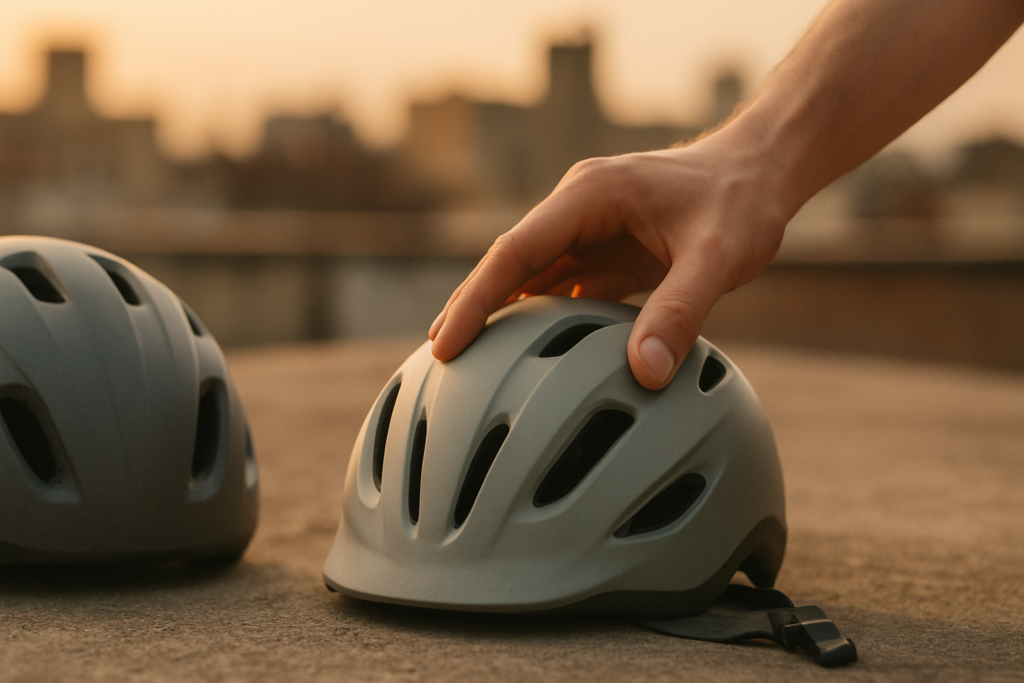
Before you start comparing helmet features, ask yourself one key question: what kind of riding do you actually do? Your preferred terrain and pace directly shape what kind of helmet will give you the best balance of safety, comfort, and performance.
Why Riding Style Matters
Different riding disciplines demand different helmet characteristics. Shape, ventilation, weight, and even coverage area vary depending on the riding style:
City Rides: Prioritize visibility, comfort, and features for stop and go traffic.
Road Cycling: Focus on streamlining, ventilation, and ultralight designs.
Mountain Biking: Look for extra coverage, adjustable visors, and strong impact protection.
Gravel or Adventure Riding: Strike a balance between ventilation, durability, and all day comfort.
Helmet Types by Riding Style
Here’s a quick breakdown of helmet types best suited to your ride:
Urban Commuters
Sleek, simple designs with built in lights or reflective elements
Moderate ventilation for slower, short distance rides
Often come with weather resistant options
Road Cyclists
Lightweight and aerodynamic
Maximized air ventilation with minimal bulk
Designed for high speed performance and long distances
Mountain Bikers
Extended rear head protection
Chunkier shells with better impact resistance
Visors to block sun and minor debris
Built in MIPS or similar rotational impact protection
Gravel/Adventure Riders
Hybrid of road and MTB characteristics
Well ventilated and moderately weighted
Durable enough for unpredictable terrain
Comfortable fit for hours in the saddle
Picking the right helmet starts with understanding how and where you ride. With that clarity, you’ll not only ride smarter but safer.
Core Safety Features That Actually Matter
Before you get dazzled by matte finishes or clever ventilation patterns, lock down the basics. Safety isn’t optional it’s the whole point of wearing a helmet. Here’s what actually counts.
What “CPSC Certified” Really Means and Why You Need It
CPSC stands for Consumer Product Safety Commission. If your helmet isn’t certified by them, you’re playing with fire. A CPSC sticker means the helmet’s been tested for impact absorption, strap strength, and coverage. In plain terms: the thing won’t fall apart on impact, and it actually helps protect your skull. Every helmet sold for bike use in the U.S. legally has to meet this standard it’s the bare minimum. Skip it, and you’re just strapping foam to your head for style points.
MIPS: Game Changer or Just Another Buzzword?
MIPS stands for Multi directional Impact Protection System. Fancy name, simple idea: it adds a slip layer inside the helmet that helps reduce rotational forces during an angled hit like when your head twists in a fall. Is it a must have? There’s good data behind it, and real world crashes suggest it works. It’s not just hype, but it does add cost. If you ride fast or hit technical terrain, it’s worth investing in.
Impact Zones and Foam Types
Not all foams are created equal. Most helmets use EPS (expanded polystyrene) which is great at absorbing energy in a single hit. It cracks to protect your head, which is why they’re one and done. EPP (expanded polypropylene) is more durable and can take multiple hits it’s found in some BMX and skate style helmets. Know what you’re buying. EPS is standard for cycling, but EPP is worth a look if you’re prone to frequent, low speed spills.
When to Absolutely Replace Your Helmet
If you crash and your helmet hits anything harder than grass, replace it even if it looks fine. If the foam’s compressed, it won’t protect you the same way again. Also, helmets age. Heat, UV rays, sweat, and time break down materials. Most manufacturers recommend replacing a helmet every 5 years, max. If yours is older and lives in your garage year round, it’s time.
Don’t gamble with your head. Get the facts, choose smart, and replace often enough that your gear works when you actually need it.
Fit = Protection (Here’s How to Nail It)
Getting the right helmet fit doesn’t need to be complicated and it shouldn’t take more than a minute. Start with your head circumference. Use a soft tape measure and wrap it around your forehead, just above the eyebrows. That number should match the size range listed inside the helmet or on the box.
Next, place the helmet on your head. It should sit level, low on the forehead (about one to two fingers above the brows). Tighten the dial fit system usually at the back until the helmet feels snug but not headache tight. It shouldn’t wobble when you shake your head. Padding should touch your scalp comfortably but not squish it.
Straps matter, too. Adjust them so they form a “Y” around each ear and buckle just below your chin. You want about one finger of slack under the strap. Too loose and it’ll shift in a crash. Too tight and you’ll hate wearing it.
Common mistakes? Wearing the helmet tilted back like a sun hat. That exposes your forehead, which defeats the purpose. Also, skipping the dial adjustment or leaving straps loose bad call. A proper fit can literally make the difference in an impact.
Get the fit right. It’s your first line of defense.
Comfort Can’t Be Second Priority
Let’s be blunt: if your helmet isn’t comfortable, you’ll stop wearing it or wear it wrong. Either way, that kills the point. Comfort starts with breathability. More vents usually mean better airflow, but it’s also about placement. Strategic venting especially in the forehead and crown keeps sweat from pooling and your head from overheating.
Then there’s weight. Lightweight helmets keep you nimble, especially on long rides. But don’t assume lighter is always better. Heavier duty shells offer more protection in gnarly off road or downhill situations. Match the weight to your ride style, not just your wishlist.
Sweat is a fact. Management makes the difference. Look for moisture wicking liners, ideally removable ones you can wash after a hard ride. Bonus points if the inner pads are antimicrobial your nose (and riding buddies) will thank you.
Bottom line: comfort isn’t fluff. It’s what keeps your helmet on your head and your focus on the road.
Extra Features That Make a Big Difference
The right extras can level up your ride, without turning your helmet into a gadget circus. Built in lights are a solid upgrade, especially if your commute creeps into dusk hours. They’re clean, easy to charge, and add visibility without a clunky headlamp setup. If you’re filming rides or chasing trail footage, GoPro compatible mounts make helmet cams way less of a hassle.
Magnetic buckles may seem like a gimmick until you try one with gloves on. Quick, secure, and one hand friendly. Same with reflective elements: small touch, big payoff. They bounce light from cars and streetlamps, making night rides safer with zero effort on your part.
Smart helmets with crash detection are pricier, and not for everyone. But if you ride solo, far, or fast, they’re worth a look. Some even alert your emergency contact if you take a hard fall.
For riders looking to complete the setup, check out our roundup of must have cycling gear that pairs well with your helmet.
Pro Tips Before You Buy
Shopping for a helmet can be a rabbit hole. Online fit guides are handy they’ll usually get you close but nothing beats trying one on in person. How it sits, where it presses, how the straps feel in real time? That’s the stuff you only figure out in front of a mirror.
Spending more doesn’t automatically mean better protection. All helmets sold in the U.S. must meet basic safety standards to get certified. What you’re mostly paying for at the higher end is better ventilation, lighter weight, extra features, and sometimes slick design. Decide what matters based on your ride, not just price tags.
Don’t count on reviews alone either. Some are helpful, but nothing beats what actual riders say after a few months of sweat, sun, and wear. Scan local forums or ask riders in your area what’s actually holding up and what’s just hype.
Good helmets under $100 do exist. A few brands have figured out how to cut price without cutting corners. Look for essentials: safety certs, solid build, and a fit system that actually works. Skip anything that feels wobbly or gimmicky.
For a full setup beyond the helmet, check out our guide to must have cycling gear.
The Final Word: Your Head Deserves Better
When it comes to protective gear, your helmet shouldn’t be an afterthought. It’s the single most important piece of safety equipment you’ll wear while riding casual or competitive.
Invest in What Fits You
Choosing a helmet isn’t just about style or brand. It’s about:
Matching your helmet to your typical riding environment Racing demands aerodynamics and light weight; trail riding needs durability and extended coverage.
Prioritizing proven safety certifications over flashy features
Ensuring a proper fit a well fitted lower cost helmet is better than an expensive one that doesn’t sit right
Be Selective For All the Right Reasons
Don’t settle for the cheapest option or the trendiest design. Here’s what matters more:
Comfort that encourages everyday wear
A retention system you can adjust easily with gloves on
Materials that perform in real world crash data
Your helmet is your first line of defense. Take your time, ask questions, and compare options.
Bottom line: Ride with your head covered and covered smartly. Your brain will thank you.
 I’m Brenda A., and as the founder of Cycle Smooth Ride Long, I'm thrilled to bring you the ultimate resource for all things cycling. Whether you're a seasoned rider or just starting on your cycling journey, our mission is to support your passion for two wheels with trusted advice, insightful reviews, and expert tips.
Cycling is more than just a hobby—it's a lifestyle that promotes health, freedom, and adventure. At Cycle Smooth Ride Long, we’re committed to making your ride smoother, longer, and more enjoyable by providing you with the latest in cycling news, nutrition advice, fitness tips, and gear reviews. We also cater to beginners, offering comprehensive guides to help you get started and build confidence on the road.
I’m Brenda A., and as the founder of Cycle Smooth Ride Long, I'm thrilled to bring you the ultimate resource for all things cycling. Whether you're a seasoned rider or just starting on your cycling journey, our mission is to support your passion for two wheels with trusted advice, insightful reviews, and expert tips.
Cycling is more than just a hobby—it's a lifestyle that promotes health, freedom, and adventure. At Cycle Smooth Ride Long, we’re committed to making your ride smoother, longer, and more enjoyable by providing you with the latest in cycling news, nutrition advice, fitness tips, and gear reviews. We also cater to beginners, offering comprehensive guides to help you get started and build confidence on the road.