Start with a Strong Foundation
If you’re just getting into cycling or getting serious about it forget trying to be fast out of the gate. Endurance trumps speed every time, especially in the beginning. You need to teach your body how to handle time in the saddle. That starts with building a solid aerobic base. The good news? You don’t need to crush every ride to make real progress.
Focus on showing up consistently. One long ride a week won’t carry you three to four steady, manageable sessions beat a single “hero” day. Endurance comes from repetition. Aim to ride weekly, even if it’s not perfect. Ride when you’re a little tired. Ride when the weather’s not ideal. Just ride.
Then there’s fueling, often ignored until it’s too late. Eat before a long ride, eat during if you’re pushing beyond 60 90 minutes. Don’t wait until you’re hungry or fading by then, the damage is already done. Real endurance isn’t just legs and lungs. It’s smart planning, smart pacing, and respect for your energy systems. So go slow, go often, and go fueled.
Weekly Workout 1: The Steady State Ride
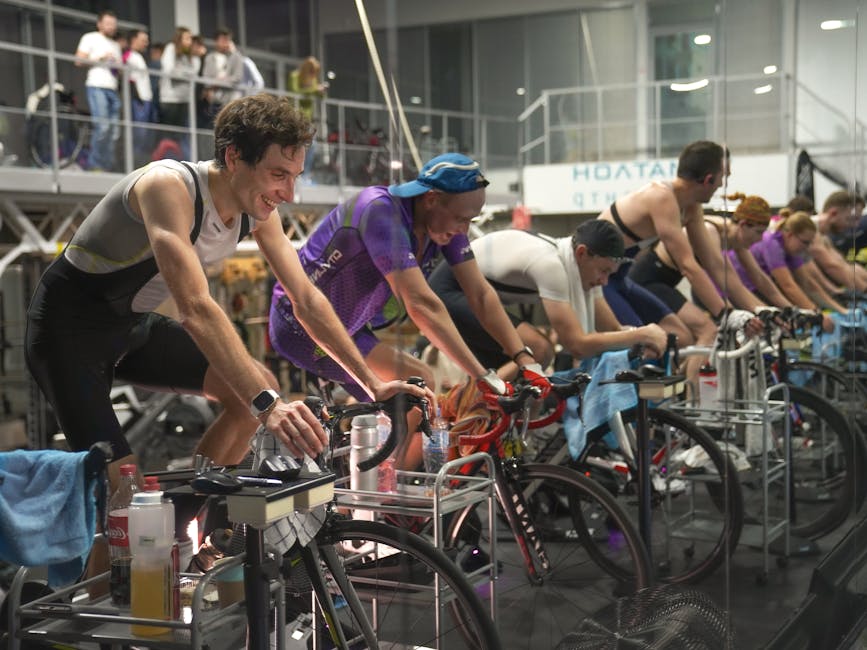
This is your bread and butter endurance builder. Ride for 60 to 90 minutes at a moderate pace the kind where you can hold a conversation without gasping. It’s not flashy, but it’s the backbone of aerobic fitness. Think of it as laying down the mileage that builds fat burning efficiency and helps your body become more resilient over time.
Keep the terrain simple. Flat roads or a steady indoor trainer session work best. You want consistency, not constant gear changes or hills that spike your heart rate. No need to race just get the time in and stay steady. The gains come from the sustained effort, not how fast you finish.
Weekly Workout 2: The Long Ride
Gradually extending your ride duration is one of the most effective ways to boost endurance.
Why It Works
Long, steady rides condition your body and your mind for extended efforts. They also teach you how to manage energy, hydration, and pacing over time.
How to Structure It
Duration: Aim to ride once a week for 90 minutes to 3 hours.
Progression: Increase ride length or distance gradually no more than 10% per week.
Effort: Maintain a comfortable, endurance oriented pace throughout (zone 2 if you’re using heart rate or power metrics).
Benefits of Long Rides
Builds aerobic capacity and muscular endurance
Helps develop pacing instincts to prevent late ride fatigue
Provides a low intensity way to log big training volume
Pro Tip: Make It Mentally Enjoyable
Plan a scenic or varied route: Beautiful surroundings and new terrain make long rides more engaging and less of a mental slog.
Bring snacks and hydration: Fueling properly is key to completing longer sessions without burnout.
Ride with a partner or group: Social rides go by faster and feel more manageable
Consistency is key one well paced long ride per week will build the foundation for serious endurance gains.
Weekly Workout 3: Recovery Spin

This ride might feel like a throwaway, but it’s doing work under the hood. A 30 45 minute spin at a low effort and high cadence flushes out your legs, resets your system, and helps lock in gains from your harder sessions. Think of it as sweeping up before starting a new project you’re clearing the way for more progress.
Keep your heart rate low. If you can’t hold a full conversation, you’re going too hard. Choose flat roads or hop on the trainer, throw on a podcast, and spin smooth. No heroics, no pressure.
Skipping recovery spins is like skipping sleep. Sure, you can do it, but it catches up fast. Make this a regular part of your weekly rhythm it’s recovery, but it’s not optional.
Optional Add On: Over/Under Intervals
If you’re past the beginner phase and looking to sharpen your engine, this one’s for you. Over/unders are all about working near your lactate threshold the point where your legs start to burn and your breath shortens. The idea is simple: spend a few minutes just below threshold, then jump slightly above it, then drop back down. Repeat this for about 20 minutes total.
It forces your body to adapt to clearing lactate even while still under pressure, something that’s essential for staying strong during long climbs or hard pushes mid ride. Picture it like stress testing your endurance system in short bursts. You’ll build mental grit, too, because these intervals aren’t fun but they work.
You only need to do this session once a week. Keep the warm up solid, and don’t skip the cooldown. Best done on a trainer or a steady grade road where you can control the effort without interruptions.
Structure It with Intention
Piling all your rides into a weekend binge won’t cut it. Spread your efforts across 4 to 5 days per week to give your body time to adapt. That mix of harder sessions and easier spins helps build endurance without burning you out.
And yes rest matters. It’s not slacking. Recovery days are when your legs actually get stronger. Schedule at least one full rest day per week, and avoid stacking tough rides back to back unless you’re prepping for a stage race (you probably aren’t).
Time and distance should match your fitness level, not your ego. If 45 minutes feels right this week, great. Build from there, gradually. Listen to your body, track how you feel day to day, and be willing to dial it back when needed.
Need help creating a smart plan? Check out more training plan tips.
Pro Tips to Maximize Progress
If you’re not tracking your rides, start now. A reliable GPS app does more than log miles it helps you see patterns, measure performance, and stay honest about effort. It’s your training journal and reality check rolled into one.
Beyond the pedals, a little strength and mobility work goes a long way. Two short sessions a week can sharpen your core stability, reduce injury risk, and make climbs feel slightly less cruel. Think simple: bodyweight moves and foam rolling beat fancy gym routines for most riders.
Finally, expect the occasional off day. Not every ride will feel smooth or strong, and that’s fine. Endurance builds in peaks and dips. The key is sticking to the routine, trusting the work, and not letting one bad ride mess with your whole week.
Level Up When Ready
Hitting cruise control feels good right up until your gains stall out. To keep improving, you’ll need to shake things up about once a month. Start by looking at your data: Are you riding longer? Recovering faster? Holding a steady pace on hills? If not, it’s time for a tweak.
Elevate the challenge with climbing days, wind heavy routes, or tempo focused rides that push your endurance without tipping into burnout. These add ons simulate real world riding stress and force your body to adapt.
Don’t overhaul everything at once. Swap in one new element at a time, test it for a few weeks, and watch how your body responds. Plateaus are normal, but staying stuck is a choice.
For extra insights, check out more tips here: training plan tips.
 Hello, I'm Henry Kirkland, and I’m proud to be part of the Cycle Smooth Ride Long team. Cycling is more than just a sport for me—it’s a way of life. I’m here to share my passion and expertise with you, helping you navigate the world of cycling with confidence and joy.
Whether you’re a beginner looking to get started or a seasoned rider aiming to refine your skills, my goal is to provide you with the insights, tips, and guidance you need to make the most of your cycling journey. At Cycle Smooth Ride Long, we’re dedicated to creating a community where cyclists of all levels can connect, learn, and grow together.
Hello, I'm Henry Kirkland, and I’m proud to be part of the Cycle Smooth Ride Long team. Cycling is more than just a sport for me—it’s a way of life. I’m here to share my passion and expertise with you, helping you navigate the world of cycling with confidence and joy.
Whether you’re a beginner looking to get started or a seasoned rider aiming to refine your skills, my goal is to provide you with the insights, tips, and guidance you need to make the most of your cycling journey. At Cycle Smooth Ride Long, we’re dedicated to creating a community where cyclists of all levels can connect, learn, and grow together.