Stage Wins That Shaped the Race
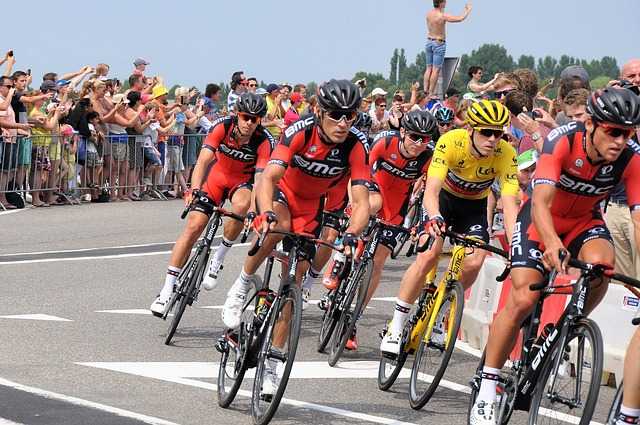
Breakaways in this year’s Tour weren’t just bold they were calculated, and in some cases, race defining. Stage 7 saw a solo attack that blindsided the peloton as a lesser known rider from a wildcard team took advantage of crosswinds and split timing. None of the big teams responded in time. He held the lead for 80 km and took the stage by over a minute. That move reshuffled team strategies overnight.
The time trials delivered shockers of their own. On Stage 10, the GC favorite faltered in the final 2 km, losing 47 seconds to his closest rival. What looked like a safe jersey became a ticking clock. Riders who planned to sit back had to come forward fast, flipping the energy of the next few stages.
Then there were the mountains. The Pyrenees turned brutal, and that’s where we saw who really came to win. A veteran climber dominated three high altitude stages, attacking early each time and refusing to look back. His pacing and positional awareness on the switchbacks gave him gains where others cracked.
And let’s not forget the sprints five finishes within half a wheel. Stage 13 ended in a straight line blur, with photo finish results holding teams in suspense. These sprints weren’t just about raw speed, but positioning and nerve. Several big name sprinters miscalculated, while a young newcomer edged out a win by millimeters, marking the closest finish in Tour history.
Stage to stage, the wins weren’t predictable they were earned with risk and backbone.
Big Names, Big Moves
When the 2026 Tour de France began, most fans had their eyes locked on the usual heavy hitters Mathieu van der Poel, Tadej Pogačar, and Egan Bernal. Each came equipped with a different weapon. Van der Poel used sheer power to launch solo breakaways that seemed reckless until they worked. Pogačar, ever the tactician, sliced gaps on high altitude climbs like he had a blueprint for the Alps. And Bernal? He paced himself for stage 15, one of the hardest in recent Tour history, where his sudden attack shredded the GC standings and reminded everyone why he’s still a force.
But under the radar, it was the support riders the domestiques who quietly flipped the script. UAE’s Pavel Sivakov pulled a brutal tempo on stage 10 that cracked a dozen rivals. Ineos used Tom Pidcock as a wildcard, breaking up rival formations with aggressive descents and quick relays. Jumbo Visma’s lead out train also clicked into gear, controlling flat stages and blowing up breakaways with surgical precision.
And just when it looked like the podium was locked in, along came Julian Alaphilippe. Written off by most after a rough start to the season, he roared back in the final week. His stage 17 win wasn’t just emotional it was tactical brilliance, sneaking into a breakaway and dropping rivals, one by one, in rain soaked chaos. It didn’t get him yellow, but it won him something else: redemption in front of a crowd that never stopped believing.
Crashes That Changed Everything

The 2026 Tour de France didn’t need headlines they wrote themselves on the tarmac. From Week 1, the race saw major crashes that took out GC hopefuls, wrecked team strategies, and shuffled the leaderboard. A high speed pile up on Stage 5 sidelined two top ten riders, including last year’s runner up, who left in an ambulance. By Stage 9, nearly every podium prediction was useless.
Weather made things worse. Rain turned descents into roulette wheels. Crosswinds split the peloton more than once, isolating leaders from their domestiques and forcing solo chases. Winds on Stage 13 tore the pack apart; a mistimed gust sent a favorite sliding sideways into the barriers.
Still, teams didn’t just react they adapted. Radios buzzed with fast strategy changes. Support riders stepped up, sacrificed their own ambitions, and helped contain time losses. Mechanics were on overdrive, pre fitting bikes with rain tires and adjusting gear configurations mid stage. The teams that survived didn’t just ride they absorbed chaos and moved forward while others hit the brakes.
The GC picture wasn’t just shaped by watts and watts crashes and weather loomed large, and the riders who adapted were the ones still standing on the Champs Élysées.
Team Strategies That Stood Out
The 2026 Tour wasn’t just about who had the strongest legs it was about who played the game best. Team leaders acted more like battlefield commanders than just elite cyclists. Some teams banked early stage wins to force rivals into long chases, while others waited patiently, gambling everything on a single mountain strike.
Drafting became a science. Teams shielded their GC hopefuls with surgical precision, squeezing every watt out of pacers. In breakaways, pacing wasn’t just about tempo it was psychological warfare, testing who would crack first. Not every risk paid off, but the bolder teams forced others out of their plans, shifting the rhythm of the entire race.
And then there were the alliances. Some riders who’d never shared a jersey found common cause in chasing down threats or maintaining a break. For a few fleeting hours, badges didn’t matter just getting across the line ahead of the chaos behind them. These tactical moves may not make the highlight reels, but they’re what truly shaped the outcome.
Drama Off the Bike
The 2026 Tour de France didn’t just play out on the tarmac it unraveled across headlines and social feeds too. Controversial penalties stirred tempers early on, with race officials cracking down hard on minor infractions. One rider got slapped with a time penalty for a bottle handoff deemed “unsafe,” sparking a team protest that delayed the start of Stage 9. Riders lined up but refused to clip in until race management agreed to a review. It didn’t change the outcome, but it did send a message.
Mechanical failures weren’t just bad luck this year: they were lightning rods for conspiracy theories. When two GC contenders suffered nearly identical electronic shifting failures on key climbs both riding the same brand speculation caught fire. The manufacturer issued a statement. Team staff shrugged, called it coincidence. But the timing raised eyebrows, and the footage didn’t help silence the buzz.
While mainstream coverage painted the usual hero vs rival arcs, rider vlogs and team social accounts told a grittier truth. Training demands, travel chaos, mental fatigue off camera moments got traction this year, and riders used their platforms to clarify what the highlight reels missed. The divide between coverage and reality wasn’t subtle. In 2026, fans got a better look behind the curtain, not thanks to the media but despite it.
What’s Next on the Cycling Calendar
The dust has barely settled on the Champs Élysées, but top riders are already looking ahead. Recovery isn’t downtime it’s a tightly managed reset. Riders like Jonas Vingegaard and Tadej Pogačar will spend the next few weeks balancing rest with light base mileage and controlled altitude training. Nutritionists tweak macros. Coaches map power zones. Mental recovery gets just as much attention as lactate thresholds.
By the end of fall, it’s full gas again. Training camps in Spain, Colombia, and the Canaries kick off prep for the Giro d’Italia and La Vuelta. The early climbing legs of next year’s Tour are already shaping team rosters and strategy. Young contenders like Carlos Rodríguez and Juan Ayuso are tipped as breakthrough threats, especially with aging veterans reassessing their schedules.
Want a deeper look at where to keep your eye on the road in the months ahead? Check out our full guide on upcoming cycling races.
 I’m Brendamee McCartyierr, and as the founder of Cycle Smooth Ride Long, I'm thrilled to bring you the ultimate resource for all things cycling. Whether you're a seasoned rider or just starting on your cycling journey, our mission is to support your passion for two wheels with trusted advice, insightful reviews, and expert tips.
Cycling is more than just a hobby—it's a lifestyle that promotes health, freedom, and adventure. At Cycle Smooth Ride Long, we’re committed to making your ride smoother, longer, and more enjoyable by providing you with the latest in cycling news, nutrition advice, fitness tips, and gear reviews. We also cater to beginners, offering comprehensive guides to help you get started and build confidence on the road.
I’m Brendamee McCartyierr, and as the founder of Cycle Smooth Ride Long, I'm thrilled to bring you the ultimate resource for all things cycling. Whether you're a seasoned rider or just starting on your cycling journey, our mission is to support your passion for two wheels with trusted advice, insightful reviews, and expert tips.
Cycling is more than just a hobby—it's a lifestyle that promotes health, freedom, and adventure. At Cycle Smooth Ride Long, we’re committed to making your ride smoother, longer, and more enjoyable by providing you with the latest in cycling news, nutrition advice, fitness tips, and gear reviews. We also cater to beginners, offering comprehensive guides to help you get started and build confidence on the road.