The Big Races to Watch
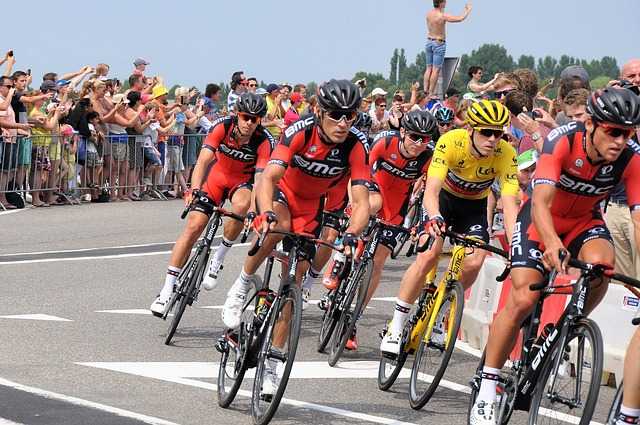
The 2026 cycling calendar is already breaking tradition. Several early season one day classics have been shuffled for weather, logistics, or pure strategy. Races like Omloop Het Nieuwsblad and Strade Bianche are taking on heavier weight as testing grounds for both form and team chemistry, with more WorldTour squads sending top lineups earlier in the year. It’s no longer just prep it’s part of the plan.
When it comes to the Grand Tours, teams are locking in earlier and going bold. The Giro d’Italia is attracting more GC contenders than usual, thanks in part to a mountainous course that favors climbers and pure diesel engines. Tadej Pogačar is a likely headliner if his team greenlights the rumored Giro Tour double. Meanwhile, Jonas Vingegaard and Remco Evenepoel look poised for a dramatic Tour de France face off though Remco’s squad might keep an eye on the Vuelta for tactical reasons. The Spanish Grand Tour continues to be a battleground for rising stars and comeback stories alike.
Beyond the classics and Grand Tours, the UCI calendar is expanding. New events in Southeast Asia and South America aren’t just showcases they’re strategic moves to globalize the sport’s reach. Races like the Tour of Colombia 2.0 and the Thailand Challenge Series are offering real WorldTour points, real fanbases, and a new kind of terrain twist. Riders used to the cobbles and Alps are going to need to adapt.
For a deeper dive into marquee events: Top races this summer
Who to Watch in the Peloton
The 2026 season isn’t short on talent or storylines. In the U23 scene, a wave of young riders is starting to crash through the pro ranks. Names like Matteo Leclerc (France) and Elijah Kim (US) are turning heads with aggressive riding styles and stage wins in smaller tours. They’re not just filling spots they’re flipping scripts.
On the veteran side, the cast is familiar but far from finished. Riders like Tomás van Greunen and Lucas Meier are chasing legacy wins and eyeing redemption after near misses or injury marred seasons. Expect them to come into 2026 sharp, hungry, and unwilling to play domestique.
Team dynamics across the peloton are shifting, too. High profile transfers especially a few leadership shakeups at Continental level teams are already impacting race strategy. Team Orion’s rebrand and strong early season sprint train are putting everyone on notice, while smaller squads are doubling down on data backed decision making and younger DSs unafraid to call bold tactics.
There’s also weight on the shoulders of riders making comebacks from injury, burnout, or scandal. Every pedal stroke in 2026 carries more than just watts it’s about proving something. Whether they rise or falter, those stories will define much of the season’s emotional edge.
Tech Trends Changing the Game
The 2026 cycling season is poised to be a landmark year for innovation as technology continues to reshape how riders train, compete, and recover. From smarter bikes to sustainable engineering, here’s what to expect from the tech side of the peloton.
Smarter Bikes, Faster Rides
Advancements in materials and engineering are taking bike design to new heights:
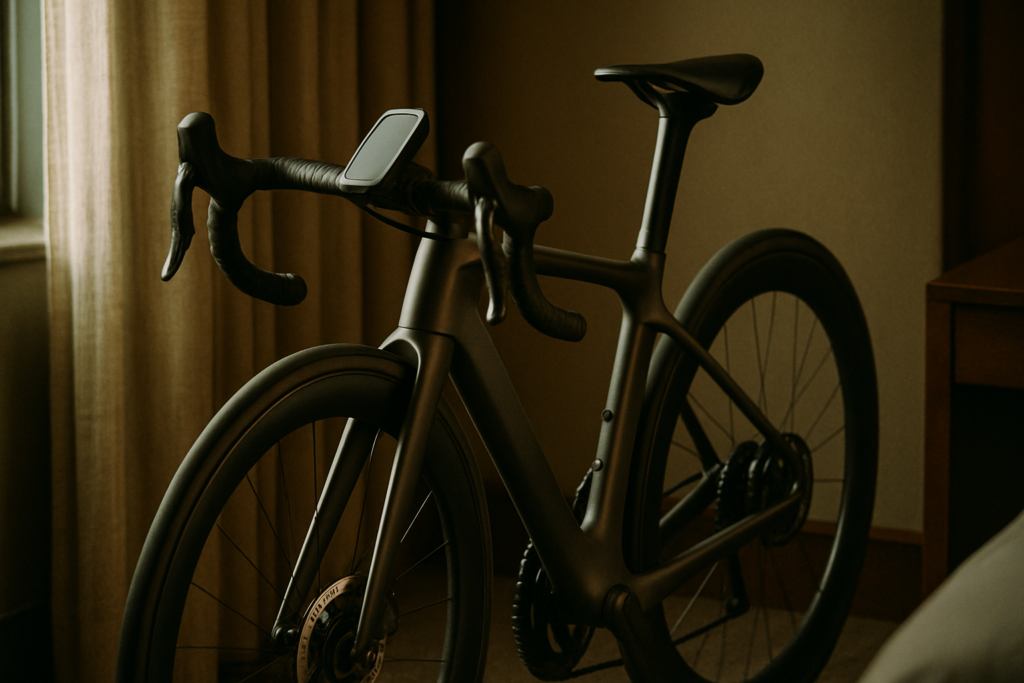
Next gen drivetrains: Electronic shifting systems are getting more precise and responsive, improving energy efficiency and rider control.
Lighter, stiffer aero frames: Manufacturers are dialing in on wind cheating profiles without compromising power transfer.
Integrated components: Designs now favor cleaner cable routing and seamless cockpit integration for both performance and aesthetics.
These upgrades aren’t just about marginal gains they’re reshaping what’s possible on race day.
Wearables and Real Time Biometrics
Data isn’t just for post race analysis anymore. In race biometric tracking is becoming mainstream, offering deeper insights into how racers perform under pressure:
Heart rate variability, power output, and core temperature monitored live.
On bike monitoring tools are now synced with coaching dashboards, giving direct feedback mid race.
Wearable sensors alert teams to early signs of fatigue, dehydration, or inefficiencies before they cost time or risk health.
This real time information helps DS (directeurs sportifs) make smarter strategic calls while improving athlete safety.
Greener Gear and Sustainable Events
Cycling is going greener at every level:
Eco conscious manufacturing: Teams and brands are phasing in recycled materials for jerseys, helmets, and even tires.
Event organizers are reducing waste at races through plastic free feed zones and carbon offset initiatives.
Bike shipping alternatives and sustainable logistics are gaining adoption to curb the sport’s global travel footprint.
The trend isn’t just ethical it’s resonating with younger fans and aligning with sponsor priorities.
The Rise of AI in the Peloton
Artificial intelligence is moving from theory to practice in elite cycling:
AI powered performance analysis tools are now part of many riders’ daily routines.
Training optimizations use predictive modeling to balance intensity, volume, and recovery cycles.
Strategy sim tools allow coaches to simulate different race scenarios and visualize team tactics in real time.
The result? Smarter decisions, more intentional training blocks, and race strategies fine tuned down to the kilometer.
From bikes to biometrics, the 2026 season is all about precision and purpose. For both fans and riders, expect a more data driven, sustainable, and high tech sport than ever before.
How the Sport is Shifting
Cycling’s footprint is stretching beyond its old boundaries. Europe still holds the crown, but the sport’s reach into Asia, Africa, and South America is no longer just a novelty. Races like the Tour of Rwanda, Tour Colombia, and Tour of Qinghai Lake are punching above their weight, drawing serious talent and global media attention. For riders and sponsors, these events aren’t just exotic detours they’re chances to unlock untapped audiences, markets, and stories.
Meanwhile, media coverage is morphing. Livestreaming, behind the scenes vlogs, and bite sized social recaps are edging out the old two hour linear broadcast. Fans now want access, not just highlights. They want helmet cams, team radio leaks, mid race data. Traditional formats can’t keep up, and both UCI and broadcasters know it.
Teams and promoters are starting to play with tech. Augmented reality for race maps, NFTs for exclusive content access, apps where fans can track their favorite riders in real time it’s all in beta, but the direction is clear: more transparency, more access, more interaction.
The bottom line? These shifts mean more miles, more fans, and more personalization. For riders, that can translate to longer seasons and more pressure. For sponsors, it’s a chance to connect with new regions and younger demographics. And for the sport as a whole, it’s an evolution: faster, broader, and unapologetically direct to fan.
Fast Summary for Fans
2026 isn’t just another cycling season it’s a pivot point. Tech is pushing past incremental upgrades into true transformation. Bikes are faster, smarter, and lighter. Wearables are reading riders in real time. AI is becoming a serious tool in preparation and post race analysis.
But tech isn’t the only thing heating up. The talent pool is stacked. Promising U23s are punching above their age. Veterans are doubling down to prove there’s still fire left. Teams are leaner, meaner, and strategically tighter.
And the map? It’s getting redrawn. More races are going global. Asia and South America are pulling bigger fields and media coverage. The sport isn’t just growing it’s growing up.
If you’re looking to follow every shakeup, gear change, and photo finish, start here: Top races this summer.
 Hello, I'm Henry Kirkland, and I’m proud to be part of the Cycle Smooth Ride Long team. Cycling is more than just a sport for me—it’s a way of life. I’m here to share my passion and expertise with you, helping you navigate the world of cycling with confidence and joy.
Whether you’re a beginner looking to get started or a seasoned rider aiming to refine your skills, my goal is to provide you with the insights, tips, and guidance you need to make the most of your cycling journey. At Cycle Smooth Ride Long, we’re dedicated to creating a community where cyclists of all levels can connect, learn, and grow together.
Hello, I'm Henry Kirkland, and I’m proud to be part of the Cycle Smooth Ride Long team. Cycling is more than just a sport for me—it’s a way of life. I’m here to share my passion and expertise with you, helping you navigate the world of cycling with confidence and joy.
Whether you’re a beginner looking to get started or a seasoned rider aiming to refine your skills, my goal is to provide you with the insights, tips, and guidance you need to make the most of your cycling journey. At Cycle Smooth Ride Long, we’re dedicated to creating a community where cyclists of all levels can connect, learn, and grow together.